Choosing The Right Fertility Path
Navigating fertility treatment begins with understanding the most common options. Intrauterine insemination (IUI) is often a good first step, but in vitro fertilization (IVF) has a higher success rate. Each method offers unique benefits depending on medical history, age, diagnosis, and personal preferences. Comparing these 2 treatments can clarify which option aligns best with specific fertility goals. Deciding between IUI and IVF takes patients a step closer to conception.

The difference between IUI and IVF
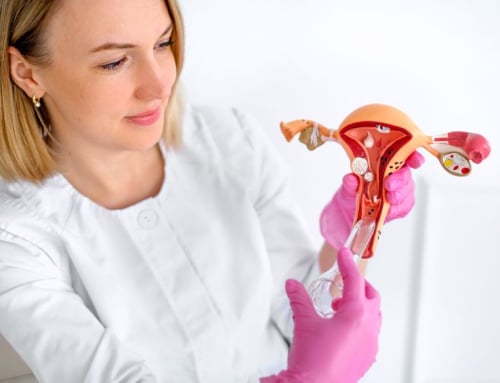
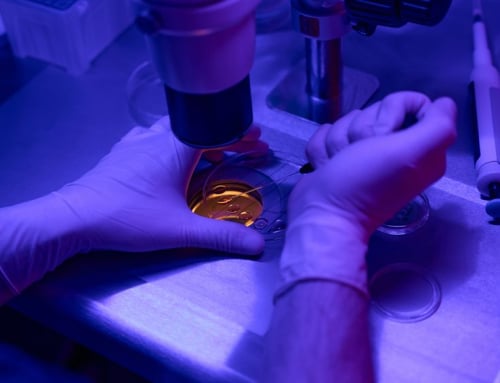
Intrauterine insemination involves placing concentrated sperm directly into the uterus around the time of ovulation, aiming to increase the chance of fertilization. IVF, in contrast, requires stimulating the ovaries to produce multiple eggs, retrieving the eggs, fertilizing them in a lab, and transferring 1 or more embryos into the uterus. While both treatments assist with conception, IVF tends to be more intensive and technologically advanced. The fundamental distinction lies in where fertilization takes place, with IUI inside the body and IVF outside.
Medical history plays a role
In vitro fertilization generally offers higher success rates, particularly for individuals with blocked fallopian tubes, advanced maternal age (AMA), endometriosis, or severe male-factor infertility. IUI is often considered for patients with mild ovulation issues, unexplained infertility, or minor sperm quality concerns. Fertility specialists typically review hormone levels, reproductive anatomy, and the male partner’s semen analysis before making a recommendation.
Evaluating success rates
Overall success rates vary significantly depending on age and diagnosis. For women under 35, IVF success rates can range from 40-54% per cycle, while IUI success rates are generally around 5%- 20% per cycle. With age, these numbers can drop off significantly. If IUI or IVF has been effective for conception in the past, there is a higher chance of the procedure working again. Understanding the likelihood of success for each method helps guide an informed decision.
Considering time and intensity
When considering time commitment and emotional investment, there are some significant differences between the 2 treatments. IUI cycles are shorter, require fewer medications, and involve less monitoring. IVF requires daily hormone injections, frequent clinic visits, and minor procedures over several weeks. For women seeking a less invasive or more affordable starting point, IUI may serve as a first-line option. However, if multiple IUI cycles fail or time is limited due to age or diagnosis, IVF may offer a more efficient path forward.
Making a collaborative decision
Selecting the right fertility treatment is a personal and medical decision best made in partnership with a reproductive endocrinologist (RE) who specializes in this type of treatment. Fertility teams assess test results, past treatment history, and family-building goals to recommend the most appropriate plan. Some patients begin with IUI and transition to IVF if needed, while others move directly to IVF based on clinical indications. Personalized care, open dialogue, and mutual trust form the cornerstone of successful treatment planning.
Your treatment choice
Both IVF and IUI offer valuable paths toward pregnancy, each with distinct benefits depending on diagnosis, time, and readiness. IUI provides a less invasive, lower-intensity option, while IVF offers higher success rates for complex cases. Evaluating medical factors, emotional preparedness, and long-term goals can help identify the most effective and supportive path forward.