Choosing The Right Treatment Path
Navigating fertility treatment options after an infertility diagnosis can feel overwhelming. While some people want to keep trying naturally, others prefer to move straight to treatment. Understanding the differences between in vitro fertilization (IVF) and intrauterine insemination (IUI) can help couples make an informed decision. Both methods assist with conception, but IVF and IUI offer distinct approaches, success rates, and considerations. The decision often depends on the underlying infertility diagnosis, personal goals, time considerations, and physician recommendations.

IUI offers a less invasive option
Intrauterine insemination is often the first step for many individuals seeking fertility treatment. During the procedure, sperm is placed directly into the uterus around the time of ovulation. This shortens the journey the sperm must travel and increases the chances of fertilization. IUI is typically paired with ovulation-inducing medication to further enhance success during the cycle. Conditions like mild male-factor infertility, cervical mucus issues, and unexplained infertility often respond well to this approach.
IVF leads to higher success
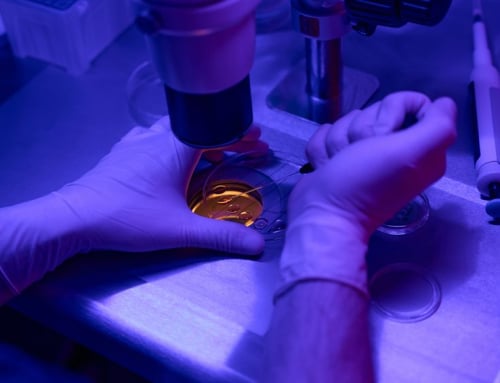
During IVF, the woman is given medication to stimulate egg growth. Multiple eggs are then retrieved from the ovaries, fertilized with sperm in a lab, and transferred back into the uterus. IVF may be recommended for couples with more complicated fertility challenges, including tubal blockages, endometriosis, diminished ovarian reserve, or severe male-factor infertility. Although more invasive, costly, and time-intensive, IVF often provides higher success rates per cycle compared to intrauterine insemination. Cryopreservation and genetic testing options are also available during IVF treatment.
Medical history can guide the decision
Underlying health conditions and past treatments play a key role in choosing a fertility path. Previous pelvic infections, surgeries, or age-related concerns may make IVF more suitable. Conversely, individuals with regular ovulation and open fallopian tubes might consider trying IUI first. If IUI has been successful in the past, patients may be more inclined to try that option again before moving on to IVF. A reproductive endocrinologist (RE) can evaluate the patient’s health history before recommending a specific plan.
Personal preferences matter
Treatment decisions extend beyond lab tests and physical exams. Emotional readiness, comfort with medical procedures, cost, and time availability should factor into any fertility plan. Some women prefer to start with the least invasive method, even if success rates are lower. Other individuals feel prepared to begin IVF immediately to maximize results or save time. Discussing expectations and goals with a fertility specialist helps align treatment with individual needs.
Understanding next steps
Choosing between IUI and IVF often requires balancing medical factors with personal preferences. While IUI may offer a simpler and more cost-effective starting point, IVF provides broader possibilities for overcoming complex infertility. A fertility specialist can evaluate reproductive health, explain options, and make a recommendation, but ultimately, the final decision about how to proceed will be up to the patient or couple.