Why Hormone Levels Are Vital
For people opting to undergo fertility treatments, hormone medication is one of the most common prescriptions offered. In many cases, for women, taking hormones can regulate periods, which makes tracking ovulation easier, and more importantly, even boost ovulation and egg production. Especially for individuals undergoing in vitro fertilization or egg harvesting as an independent process, hormone supplementation is essential. Likewise, throughout the fertility process, specialists will screen for hormone levels to determine if fertility medications are necessary or having the desired effect. Here’s what people need to know.

What is AMH?
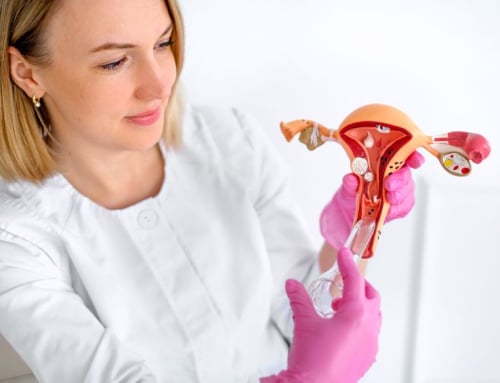
Anti-mullerian hormone (AMH) is directly related to egg count in women. AMH impacts sex organ development in fetuses and is naturally higher in male fetuses than in females. High levels of the hormone prevent female reproductive organs from developing. In women, the ovaries produce AMH in the follicles, and the presence of this hormone influences the number of available eggs. High AMH levels usually mean a woman has a higher ovarian reserve, or egg count. By contrast, having a lower AMH presence means a woman has a smaller egg count.
Normal versus abnormal levels
As with many hormones in the human body, AMH levels vary based on a person’s age. In the average woman, hormone levels begin rising during adolescence and tend to peak around age 25 before beginning to decline, which is natural. While age will dictate specific ideal ranges, the average range is between 1ng/ml-3ng/ml. Meanwhile, low is anything under 1 ng/ml and severely low is 0.4 ng/ml. However, hormonal conditions like polycystic ovarian syndrome (PCOS) can naturally yield higher AMH levels and don’t indicate high ovarian reserve in this subset.
Testing for AMH
Healthcare providers can test for AMH in a variety of scenarios with a simple blood draw. For example, if ovarian cancer is suspected, an AMH test can determine if a tumor is actually present or even if treatments to remove the cancerous mass are working. However, testing takes on a different purpose for people trying to get pregnant. AMH may be tested at multiple points within a fertility treatment cycle. For example, in the early days of working with a fertility clinic, a woman may undergo AMH testing to determine ovarian reserve. The results can be used as a predictor for how likely that individual might achieve success or if donor eggs are a better option.
AMH and fertility medications
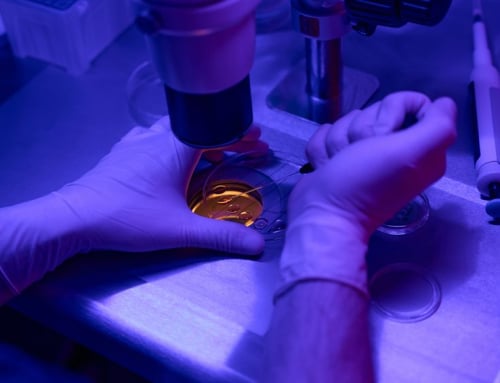
Another core area where AMH testing can give experts insight into how fertility treatment is progressing is after prescribing hormone medications. Fertility medications are typically designed to boost egg production ahead of the egg harvesting stage in in vitro fertilization (IVF) or even for people undergoing intrauterine insemination (IUI). If the medications are working as intended, screening for AMH would result in higher hormone levels, implying that multiple eggs are maturing.
Get the facts
While AMH is typically used as a predictor of egg quantity for fertility treatments, the results alone are not a full confirmation of fertility. Instead, the blood test should be viewed in totality with other metrics. Women who suspect poor ovarian reserve as a reason for infertility should consider speaking with a specialist.