LGBTQ+ Couples Need Fertility Support
Infertility is an issue that impacts millions of American adults. About 12% of couples struggle with the issue and are unable to conceive naturally. Most people associate infertility with heterosexual individuals or couples, but the LGBTQ+ community has similar challenges. LGBTQ+ individuals face the same fertility challenges, whether genetic or acquired over time. Some face fertility barriers based on relationship dynamics. In vitro fertilization (IVF) can help LGBTQ+ individuals and couples in the same way heterosexual individuals benefit. The strategy must change based on the couple, but IVF treatment is the most effective way to have biological children.

Treating infertility challenges
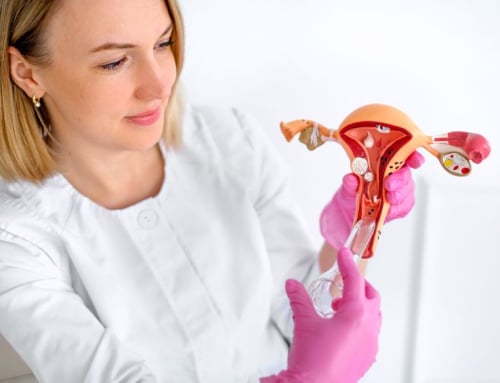
LGBTQ+ couples should have a complete fertility review to find out if there are any fertility challenges and determine the root cause. Male infertility factors such as sperm health and hormone imbalances can occur. A diminished ovarian reserve, hormone imbalances, and reproductive organ issues are also common in female factor infertility. Age and genetics can make conceiving challenging. The first step is to identify and treat fertility issues. Treatment may consist of surgery, fertility medication, or lifestyle changes to improve reproductive health. With improved fertility, LGBTQ+ couples can proceed with family planning. As natural heterosexual conception is not possible, IVF treatment can be used to attempt pregnancy.
Turning to reciprocal IVF
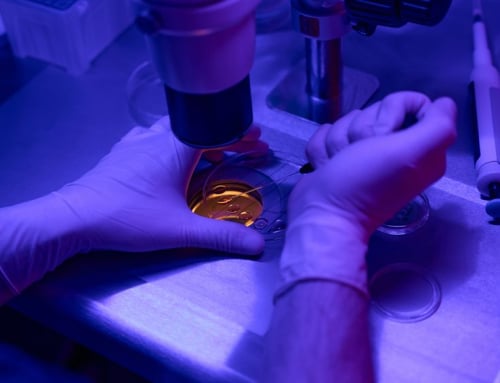
Lesbian and some transgender couples can use reciprocal IVF to start or grow a family. With reciprocal IVF, eggs are retrieved from 1 partner and then fertilized with donor sperm. The resulting embryos are then transferred to the other partner to carry the baby to term. Reciprocal IVF allows both parties to play an active role in the process. Fertility challenges also help fertility teams to switch the procedure as needed if someone has severe infertility.
Gestational surrogacy with IVF
Gay men and some transgender couples need additional IVF support. A gestational surrogate works with the couple to achieve pregnancy. Sperm samples are used to create multiple embryos with donor eggs. One or more embryos are then transferred to the gestational surrogate’s uterus to start a pregnancy. Both men can provide sperm to determine the healthiest option if there is a case of male infertility. Sperm samples also gives the couple the option of having children with each sperm, creating a more balanced family.
Fertility preservation for future IVF
Some LGBTQ+ couples depend on IVF treatment for future family planning goals. Fertility preservation may be necessary to ensure future biological children are possible. Egg freezing, sperm freezing, or embryo cryopreservation preserve reproductive options. Individuals using hormone medication or performing gender-affirming procedures can proceed with more confidence. Preserved reproductive material can then be used for reciprocal IVF or IVF with gestational surrogacy.
Equality in IVF treatment
Infertility can impact everyone, including LGBTQ+ individuals. The condition can look the same or may be different depending on the individual. Seeking fertility counseling should be the first step, as treatment can improve reproductive health. From there, using IVF in specific applications helps to produce children with biological ties. Work with a fertility clinic that specializes in LGBTQ+ clients. These clients can provide resources, support, and services specific to gay, lesbian, and transgender individuals. The result is higher success rates and achieving the goal of a new, dynamic family.