How Does POF Impact Fertility
Premature ovarian failure (POF) is a possible diagnosis for 1% of women struggling to conceive. With POF, ovarian function declines significantly before the expected age of 40. Women experience irregular periods, reduced estrogen production, and menopausal-like symptoms such as hot flashes. Most cases have fertility challenges that can impact family planning goals. Studies show women with POF have a 3% – 10% chance of conceiving naturally. Preserving fertility is an option, but POF can impact egg production and quality. This makes egg freezing more challenging than for women with normal ovarian function. Early embryo cryopreservation provides future options for women who are concerned about POF.

Challenges of egg freezing
Egg freezing is an effective strategy for preserving fertility, especially for women with certain illnesses or younger women who want to start families later. The process becomes challenging for women with POF. Women are born with a set number of follicles in the ovaries that mature into eggs. POF causes a rapid decline in this ovarian reserve. The remaining number and quality of viable eggs are typically much lower. Hormone stimulation required for egg retrieval and freezing also changes, as POF significantly alters estrogen levels. The response to hormone medication is more unpredictable. As a result, some women need custom medication and multiple egg retrieval attempts. These variables make egg freezing after POF a difficult process.
Consider embryo cryopreservation
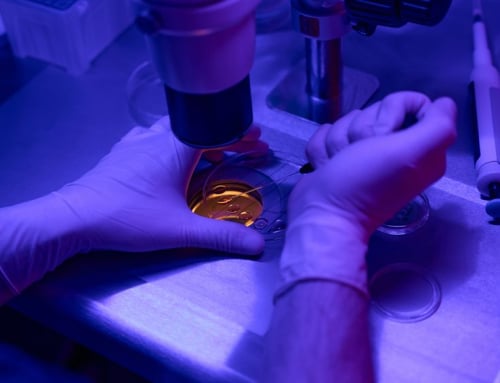
Embryo cryopreservation involves making embryos using harvested eggs and sperm, and then freezing the produced cells for future use. These embryos are for in vitro fertilization (IVF), allowing individuals or couples to get pregnant later. Embryo cryopreservation may provide better results than egg freezing alone. Statistics show that thawed embryos have a higher survival rate than eggs. As POF means limited egg numbers, this step increases survival rates. Moreover, women who are concerned about POF or intend to have children later can get embryo cryopreservation earlier. Embryo formation requires access to partner sperm or donor sperm. This process gives fertility teams the chance to assess embryos and determine quality before freezing.
All about timing
Egg freezing and embryo cryopreservation need early intervention for maximum results. Women diagnosed with POF should take immediate precautions. As there is a limited window for harvesting viable eggs, consider fertility preservation as soon as possible. Women experiencing irregular periods or other signs of POF should seek fertility evaluation which will help assess future options. Couples who intend to start family later should get early sperm and egg evaluations. Taking hormone medication can help regulate cycles and improve the conditions for egg retrieval. The unpredictable nature of fertility with POF makes egg or embryo cryopreservation urgent.
Alternative fertility options
Embryo cryopreservation is an alternative pregnancy option for POF. Using IVF and thawed embryos, a fertility clinic can implant an embryo into the woman’s uterus. Each IVF cycle has a 40% minimum success rate, however, patient age and embryo quality determine success rates. Alternative fertility options may be necessary for severe POF. Donor eggs used for IVF, for instance, produce higher success rates. Doctors will recommend donor eggs if the woman’s ovarian reserve is compromised. Other options include donor embryos, gestational surrogacy, and adoption. Keep all options open while still exploring egg freezing or embryo cryopreservation.
Get fertility support today
A POF diagnosis can be difficult for women hoping to conceive soon. Egg quantity and quality are compromised, meaning low conception rates. Reproductive endocrinologists will recommend egg freezing as soon as possible, though there are unique challenges in terms of egg quality. Taking early action via embryo cryopreservation instead can help. Embryo cryopreservation can produce better results than egg freezing alone. Get an early fertility assessment, then work with the medical team for successful fertility preservation options.