Understanding ART Options
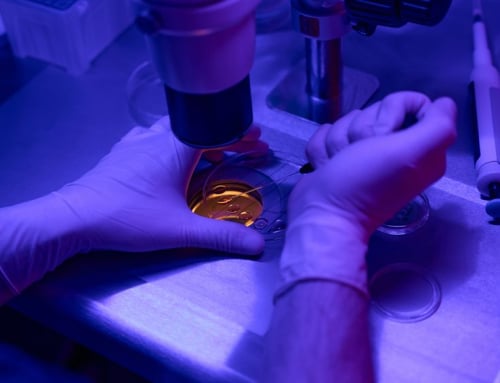
Infertility treatments often fall under assisted reproductive technology (ART), a series of techniques that handle eggs or sperm outside the body. Some fertility clinics will suggest gamete intrafallopian transfer (GIFT) and in vitro fertilization (IVF) as advanced fertility treatments. GIFT involves placing sperm and eggs directly into a woman’s fallopian tubes. This procedure bypasses the need for egg release and sperm motility to reach the fallopian tubes. IVF, on the other hand, fertilizes eggs in a lab to create embryos, before transferring to the uterus. Both methods aim to overcome infertility but differ in process and suitability. Combined fertility techniques may increase pregnancy rates but do come with precautions.
Key GIFT and IVF differences
GIFT requires healthy fallopian tubes and generally healthy sperm and eggs for success. This procedure may be ideal for women with healthy fallopian tubes but unexplained infertility concerns. Fertilization occurs in the fallopian tubes, compared to IVF, which occurs in a fertility laboratory. IVF bypasses the tubes entirely, offering a solution for tubal factor infertility. IVF also allows for much more control and predictability. For instance, IVF allows preimplantation genetic testing (PGT), which GIFT does not. GIFT may be a bit more invasive as the medical team uses laparoscopy to access the fallopian tubes. Success rates vary based on individual factors like age and underlying conditions, however, IVF generally has higher success rates than GIFT.
Combining fertility techniques
Some fertility clinics consider combining fertility techniques to increase the chances of success. A typical option is combining GIFT and IVF. Combining fertility techniques may benefit select patients, such as those with unexplained infertility or mild male factor issues. Studies suggest improved embryo quality and implantation rates in some cases. There are some risk factors to consider. The chances of multiple pregnancies are significantly higher than GIFT or IVF alone. As GIFT involves the fallopian tubes, ectopic pregnancy, where the egg implants outside the uterus, can occur. There are also psychological and emotional challenges of combined fertility techniques. Consider speaking with the fertility team to weigh the risks and benefits before proceeding.
Evaluating your options
A detailed fertility analysis should guide all treatment decisions. Choosing between GIFT, IVF, or a combined approach depends on medical history, diagnostic testing, and fertility goals. GIFT is not commonly used but could be a first treatment option for those with unexplained infertility. IVF should be recommended for older patients or those who had multiple failed pregnancies. Factors like cost, timeline, and emotional readiness also play a role in decision-making. Combined fertility treatments are closely monitored by specialists to reduce the risk of conditions like ovarian hyperstimulation syndrome (OHSS) and embryo transfer complications.
Next steps in GIFT and IVF
GIFT and IVF are advanced fertility treatments that improve the chances of successful pregnancies for infertile individuals. Separately, these treatments have benefits and risks but can lead to a healthy pregnancy. Consulting a fertility specialist can provide personalized insights and a tailored treatment plan. Sometimes, the plan may involve combining fertility techniques to increase pregnancy rates. While effective, there are risks, like multiple pregnancies. If conceiving naturally is challenging, seek fertility evaluation immediately.