Male Infertility Challenges
Often overlooked, male infertility can be a primary contributor to infertility cases among couples. Statistics tell a different story, as men and women struggle with infertility at similar rates. Male infertility occurs when a man trying to conceive is unable to do so after consistent sexual intercourse for at least 6 months. This condition must be diagnosed by a fertility specialist such as a reproductive endocrinologist, urologist, or other fertility specialist. Finding the underlying cause of infertility is essential to providing men with the assistance needed for improving sperm health. Additional treatment that includes assisted reproductive technology (ART) may be necessary to achieve pregnancy.

Let’s look at sperm health
Poor sperm health is arguably the most common reason for male infertility. A low sperm count called oligospermia can prevent natural conception. Sometimes, a complete absence of sperm in the semen called azoospermia leads to severe infertility. Sperm motility and morphology are other common issues. If most of the sperm within a given volume cannot travel effectively, fertilizing eggs becomes challenging. The shape and general health of sperm also determine if sperm can penetrate and fertilize eggs. A complete sperm analysis performed by a fertility clinic or specialist can reveal potential sperm issues causing infertility.
Anatomical problems cause infertility
Sperm issues can sometimes be traced back to structural issues with the reproductive organs that cause infertility. Enlarged veins in the testicles can restrict sperm production and release. Damage to the vas deferens or epididymis can block the ejaculation of sperm. Some men have retrograde ejaculation, where sperm enters the bladder instead of combining with seminal fluid. Testicular damage, sexually transmitted infections (STI), and inflammation of the prostate and epididymis can cause male infertility. Genetic disorders like Kleinfelter’s syndrome can lead to smaller testicles, while undescended testicles are another possible reason.
Lifestyle factors
Even with healthy sperm and no anatomical issues, men can develop infertility. Male reproductive health is sensitive to external factors. Over time, sperm health declines, leading to infertility. Smoking, drug use, and excess alcohol consumption are common risk factors. Exposure to microplastics, chemicals, and endocrine disruptors damages sperm, leading to infertility. Frequent exposure to high temperatures damages sperm in the testicles. Men can also have nutrient deficiencies due to poor diets. Vitamins and minerals like vitamin D, zinc, magnesium, and coenzyme Q10 (CoQ10) all help with reproductive health and are primarily sourced from food.
Other overlooked reasons
While women have a diminished ovarian reserve with age, men can also have lower sperm health over time. Age can reduce sperm quantity and quality. The use of certain medications to treat chronic diseases can cause infertility. Treatment of cancers or previous surgery can cause significant damage to reproductive organs. Undiagnosed chronic diseases like diabetes, kidney disease, and cystic fibrosis are common infertility triggers. Male infertility can only be truly addressed with a comprehensive check of the many potential causes of the disease.
It’s time for treatment
Treatment depends on the underlying causes of infertility. As there are many potential reasons, each situation is different and requires a custom, yet multi-disciplinary solution. Addressing male infertility involves removing any potential barriers to fertility while improving sperm health where possible. For instance, surgery helps with blockages like varicocele and other anatomical issues. Treating infections and inflammation issues with medication paves the way for improved fertility. Addressing external issues with healthy lifestyle changes over time improves fertility. Men with chronic diseases also need the appropriate medication and treatment, which in turn will improve fertility. While these are effective strategies, boosting sperm health and ART may be necessary.
Supporting healthy sperm
Doctors may recommend fertility medication such as clomiphene citrate to boost sperm count and quality. Studies show that off-label use can help male fertility. Hormone therapy can also address potential deficiencies in testosterone, follicle-stimulating hormone (FSH), and luteinizing hormone (LH), which are responsible for sperm production. Close monitoring with blood tests and sperm analysis ensures hormone therapy is effective. Supplements like vitamin C, D, magnesium, zinc, and antioxidants can further boost sperm health. Work with a pharmacist to create a solution that produces the maximum results with minimal side effects.
Turning to ART
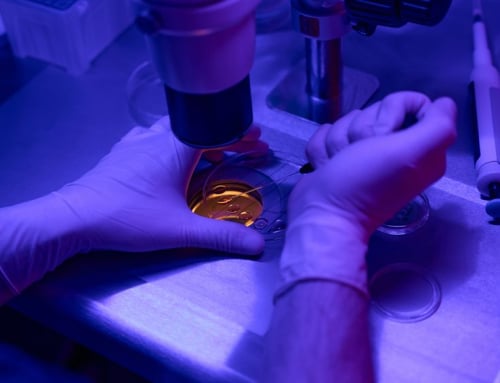
Some fertility challenges require ART, as natural conception will be difficult. Intrauterine insemination (IUI) is a technique for infertility. Doctors will medically insert a sperm sample directly into the uterus to encourage pregnancy. IUI is effective for men undergoing hormone therapy, but several cycles may be necessary. In vitro fertilization (IVF) is a more effective treatment option. By combining eggs and sperm in a lab, a fertility team can create multiple embryos. One or more embryos are then carefully transferred to the woman’s uterus. IVF is a multi-step process and can help with severe forms of male infertility. Intracytoplasmic sperm injection (ICSI) is another form of ART that uses a single sperm to fertilize an egg in the IVF process. Both IVF and ICSI can help with severe male fertility cases.
Don’t give up hope
Men with infertility issues such as poor sperm quantity and quality will require treatment to improve sperm health. Understanding the underlying reasons is essential to treatment. Covering both internal and external reasons increases success rates. Some cases will benefit from immediate application of ART. Working with a fertility clinic will help men and couples start the fertility journey with confidence.