Pregnancy Plans With Kidney Disease
Chronic kidney disease (CKD) is a common health condition impacting approximately 1 in 7 American adults. With CKD, inflammation and other damage reduce kidney function. The kidney gradually loses the ability to filter waste and excess fluids from the blood. CKD is often measured by a significantly decreased glomerular filtration rate (GFR), excess protein in the urine, and other factors. While symptoms of CKD can range from mild to severe, a potential issue is the direct impact on fertility. Overlooked kidney disease could be why a couple is struggling to conceive. Managing this chronic illness while getting pregnant can be difficult without the support of medical professionals.

Impact on fertility
For women, CKD can disrupt hormones, leading to irregular menstrual cycles and failure to release eggs. A reduced ovarian reserve can develop more rapidly than expected due to increased inflammation and hormonal imbalance. Women can have decreased sexual function and experience severe forms of infertility in the advanced stages of kidney disease. For men, CKD can lead to hormone imbalances and testicular damage. Erectile dysfunction (ED), low sperm count, and poor sperm quality are common in many male CKD patients. CKD can also be accompanied by other chronic diseases like diabetes, high blood pressure (BP), and autoimmune conditions, which can cause infertility.
A pregnancy risk assessment
Couples struggling to conceive may be unaware of the impact of kidney disease. As the initial stages of CKD can show no symptoms, getting a comprehensive health check can ensure that CKD is not an underlying cause of infertility. Women or men with kidney disease should get a thorough fertility evaluation. A full hormone profile can determine potential challenges to pregnancy. Women should have an ovarian reserve assessment, as CKD can cause this to decrease regardless of age. The stage of kidney disease, along with reproductive health, can determine if conception is risky or not.
Manage your chronic illness
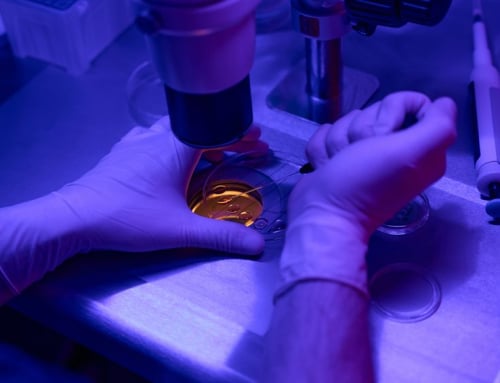
Early detection of CKD is essential to family planning. A quick assessment helps to manage the disease with medication and lifestyle changes. Patients can limit the effects of chronic illness and increase conception rates. Severe cases of CKD, however, will warrant treatment, so pregnancy will likely not be recommended. Some patients with CKD may have infertility but can still become pregnant with fertility treatment. For instance, in vitro fertilization (IVF) helps couples achieve pregnancy even with impaired fertility. IVF creates embryos outside of the body by extracting egg and sperm samples. The embryos are then implanted into the uterus in hopes of pregnancy.
IVF with CKD
Consistent collaboration with nephrologists and fertility specialists ensures patients remain healthy while IVF proceeds without issue. The fertility team must keep the chronic illness in mind while carefully addressing each stage of IVF treatment. Ovulation induction must be tailored to the individual patient’s health status. Conditions like ovarian hyperstimulation syndrome (OHSS) can also occur with IVF, which may be more challenging to manage with CKD. Adjustments to kidney disease medication throughout the process are essential to minimize symptoms. Patients who may require dialysis may need more thoughtful treatment. IVF also carries higher risks for kidney disease patients, including hypertension and worsening kidney disease. Studies show that while pregnancy is possible, patients must be prepared for preterm birth, multiples, and other possible risks.
Overcoming disease to achieve pregnancy
Kidney disease and pregnancy have a complex relationship, but women with CKD can get pregnant. Early detection is preferred, but for women in the more advanced stages of CKD, a comprehensive plan is necessary for success. Medical professionals in fertility and kidney care should work together to ensure patient health and safety. If pregnancy is not recommended, there are alternatives such as donor egg or sperm, embryo cryopreservation with surrogacy, and adoption. Addressing challenges from all angles can pave the way to a future where kidney disease isn’t a barrier to pregnancy.