Your Prescription For Unexplained Infertility
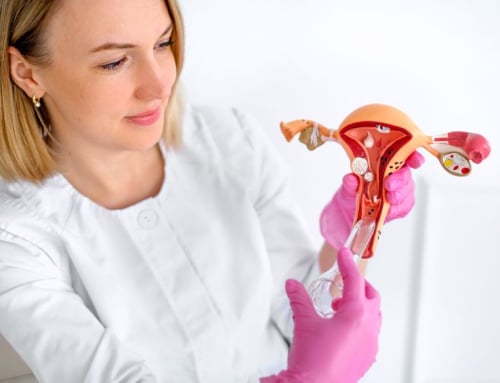
When standard fertility evaluations show no obvious barriers to conception, a woman is said to have unexplained infertility. Ovulation occurs regularly, fallopian tubes appear open, and sperm analysis meets normal thresholds, but pregnancy does not happen. Despite the lack of a clear diagnosis, treatment options still exist. Both intrauterine insemination (IUI) and in vitro fertilization (IVF) are commonly used, with medications tailored to support each approach.

Understanding IUI and IVF
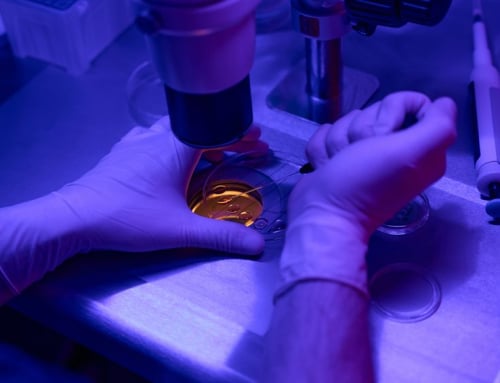
Women diagnosed with unexplained infertility can benefit from the use of IUI or IVF to get pregnant. IUI involves placing concentrated sperm directly into the uterus around the time of ovulation to improve the chance of fertilization. The procedure is often paired with ovulation-inducing medications. IVF is a more advanced option where eggs are retrieved from the ovaries, fertilized in a lab, and then transferred to the uterus. IVF offers more control over timing, egg quality, and embryo development, especially when earlier treatments have failed.
Contraceptives for conception?
Birth control pills are often prescribed in the weeks leading up to fertility treatment to help regulate the menstrual cycle and quiet the ovaries. This synchronization allows for more controlled ovarian stimulation once fertility medications begin. Birth control also reduces the chance of cyst formation and enables precise timing within the IVF calendar. Though the use of contraceptives may seem counterintuitive during IUI or IVF, the medication helps create a more predictable environment before starting treatment.
Stimulating ovulation with IUI
Oral medications are frequently used in IUI cycles to encourage ovulation and improve the chances of releasing more than 1 egg. These agents are taken early in the menstrual cycle and are designed to support timely follicle growth and ovulation. If oral medications are not effective or previous IUI cycles have failed, injectable hormones may be recommended. Injections require closer monitoring with blood work and ultrasound, but are more effective.
Time to trigger
During both IUI and IVF, a trigger injection can be used to prompt final egg maturation. This hormone mimics the natural luteinizing hormone (LH) surge that causes ovulation. In IUI, the trigger helps coordinate insemination with ovulation, typically scheduled 36 hours later. In IVF, the injection allows for eggs to be retrieved before natural ovulation occurs, ensuring the specimen is collected at the ideal stage of development.
Maximizing egg production in IVF
During an IVF cycle, injectable hormone medications are administered daily for 8-12 days to stimulate the growth of multiple follicles. The goal is to safely maximize egg production while monitoring the response through ultrasound and bloodwork. Medication dosages are tailored to the individual’s ovarian reserve and past treatment response. When follicles are mature and ready, the final trigger shot is administered to prepare for retrieval.
Supporting implantation after IVF
Once eggs are retrieved and fertilized, hormone support is needed to prepare the uterus for embryo transfer. Progesterone is commonly used to help build and maintain a receptive endometrial lining. Estrogen may also be added depending on the protocol. In some cases, additional medications are used to address inflammation or immune activity, though these vary by clinic. This phase supports the implantation process and early pregnancy development.
Precise medication use optimizes success
The right medication plan depends on the patient’s age, diagnosis, fertility treatment response history, and personal goals. IUI with ovulatory stimulants is often the first approach for unexplained infertility. IVF requires the use of additional medications, but the procedure is much more effective. Though the cause of infertility may be unclear, targeted medication use allows patients to optimize success rates to start or grow a family.