Medication Induction And Multiples
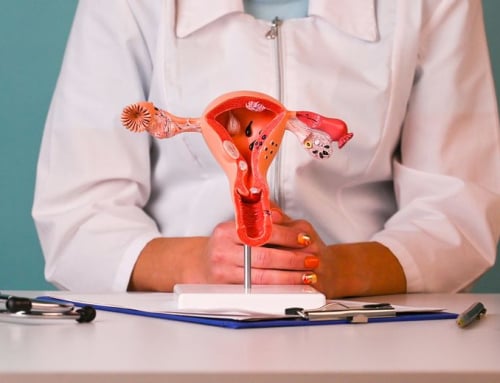
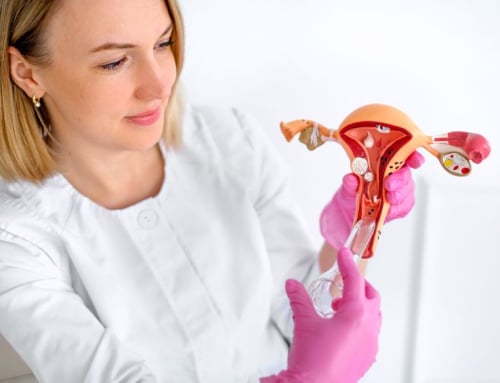
Ovulation induction is a process that uses hormone medication to boost ovulation, the process by which the ovaries release an egg during each reproductive cycle. This is a common step in treating cases of irregular or absent ovulation. Women who struggle with infertility can use ovulation induction to increase pregnancy chances. The use of hormone medication to induce ovulation is also a critical step for intrauterine insemination (IUI), in vitro fertilization (IVF), and other fertility treatments. Conditions like polycystic ovarian syndrome (PCOS) and hormonal imbalances can benefit from ovarian induction. Medication used during IUI to induce ovulation is effective, but has some risks, such as a higher chance of conceiving twins. Understanding the pros and cons can help with deciding on a treatment plan.

The IUI route
Intrauterine insemination involves placing sperm directly into the uterus to increase the chances of conception. A prepared sperm sample from a partner or donor is used, and the procedure is coordinated with ovulation to optimize timing for fertilization. IUI may be performed alone, but many treatment plans incorporate ovulation induction medications to enhance results. These medications stimulate the ovaries to produce multiple eggs, thereby increasing the likelihood of achieving pregnancy during the treatment cycle. When combined with ovulation induction, IUI offers an effective and efficient option for addressing mild infertility and many male-factor concerns.
Are twins possible?
Fertility treatments such as IUI can elevate the likelihood of pregnancy, and the addition of ovulation-induction medications can further increase the chance of conceiving twins. These medications stimulate the ovaries to develop multiple follicles, potentially leading to the release of more than 1 egg during ovulation. When several eggs are available, each can potentially be fertilized during the insemination process. The probability of twins varies depending on the type of hormone used. Twin rates with oral ovulation-induction medications generally range from 8–12%, while injectable gonadotropin treatments can result in twins up to 30% of the time.
Risks and considerations
Intrauterine insemination is an effective strategy to improve the chances of pregnancy, but twins are more likely. Twins and multiples have an increased risk to the mother and child, including a higher chance for preterm birth, low birth weight, gestational diabetes, and neonatal intensive care unit (NICU) admission. Another possible risk to consider with IUI is ovarian hyperstimulation syndrome (OHSS), a possible side effect of fertility medication. The fertility team will work with patients to adjust the medication as needed, in order to decrease the chances of OHSS or multiples.
Building your family
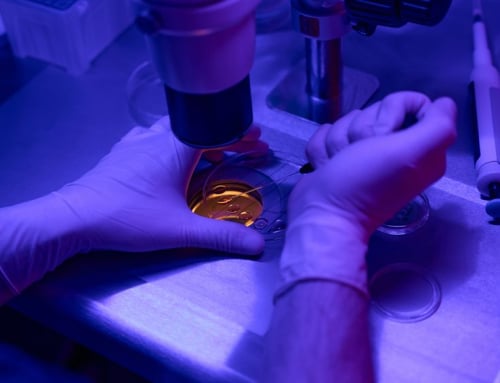
Ovulation induction is a critical step in fertility treatment, especially for women with significant infertility. By using fertility medication with IUI, the chances of pregnancy increase, but twins or higher-order multiples are possible. Infertility patients must prepare for this risk when deciding to use ovulation induction. If the goal is to achieve a singleton, consider IVF, which offers greater control over embryo development and transfer. Work with the fertility team to determine the best course of action.