Overcoming The Hurdle Of Secondary Infertility
Trying to grow a family after having a baby can bring unexpected challenges. Secondary infertility occurs when there is difficulty conceiving after 1 or more previous pregnancies. Many couples expect conception to happen quickly the second time around, but delays are not uncommon. This experience can feel confusing and frustrating, especially when no issues existed before. Multiple physical, hormonal, or age-related changes can impact fertility over time. Fortunately, medication-supported treatments can help address the most common causes of secondary infertility and improve the chances of pregnancy.

Causes of secondary infertility
Age-related decline in fertility is a leading cause of secondary infertility, especially when several years have passed since the last pregnancy. Egg quality and quantity naturally decrease over time, even when cycles remain regular, making conception more of a challenge. Other causes of infertility after previously experiencing no problems may include blocked fallopian tubes, pelvic adhesions, or uterine scarring. Sometimes, these issues are related to a prior delivery. Hormonal imbalances, such as thyroid disorders, may also develop over time.
Changes in ovulation patterns
For some women, ovulation may become less predictable or less frequent with age or after a previous pregnancy. Polycystic ovary syndrome (PCOS), weight fluctuations, or thyroid conditions can all affect hormone balance and egg release. If ovulation is irregular or absent, oral ovulation stimulants may be used to help the ovaries release an egg. Injectable medications may also be considered if oral options are unsuccessful or not well tolerated. Tracking ovulation using bloodwork and ultrasound can guide the best timing for intercourse or treatment.
Uterine and fallopian tube factors
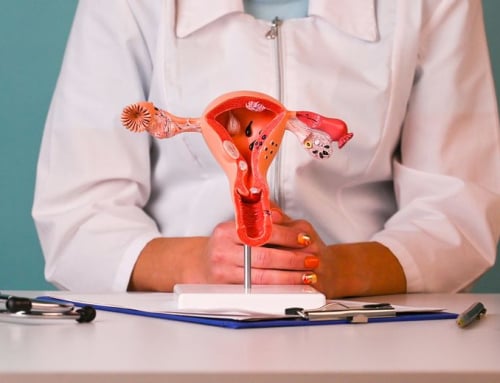
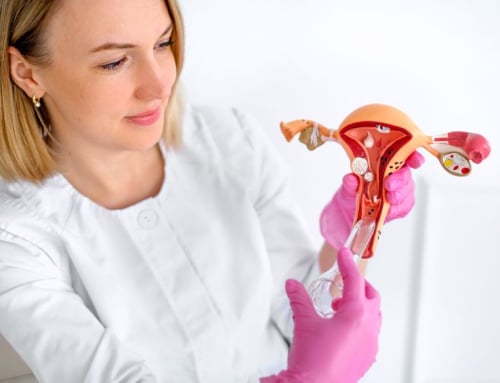
Structural changes in the uterus or fallopian tubes may appear after a prior delivery, C-section, or infection. Newly developed fibroids, polyps, or scar tissue may also interfere with sperm transport or embryo implantation. Imaging, such as a saline sonogram or hysterosalpingogram (HSG), can help identify these issues. In some cases, an HSG flushes the tubes well enough to allow for pregnancy to occur. Other times, surgery or medication may be used to remove growths and improve the uterine environment.
Semen quality can change too
Even if a prior pregnancy occurred without assistance, sperm health can change over time. Age, illness, medication use, or lifestyle changes may impact sperm count, motility, or morphology. A semen analysis (SA) can reveal if any changes are contributing to the delay. If male issues are identified, medications or supplements may be recommended to support sperm production. Treatment may also include intrauterine insemination (IUI) or in vitro fertilization (IVF) if male-factor infertility is at play.
Medications offer a next step
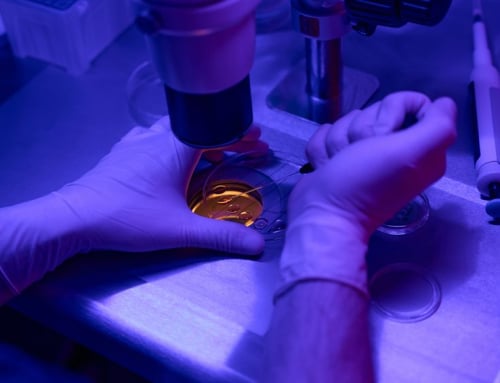
Fertility medications can help address many causes of secondary infertility. Options include ovulation stimulants, injectable hormones, or medications to support the uterine lining. With IVF, more complex stimulation protocols may be used to help retrieve and fertilize multiple eggs during a single cycle. Medication choice depends on age, medical history, cycle tracking, and past responses to treatment. A fertility workup can help determine the best course of action.
Growing your family is possible
Secondary infertility can be physically and emotionally draining. Something that was once relatively straightforward can now feel impossible. However, by identifying the cause, treatment plans can be created to solve the issue. Many patients must rely on IUI or IVF to get pregnant again, but the dream of growing a family is still possible.