More Than Just a Lucky Egg
When undergoing in vitro fertilization (IVF), embryo selection plays a critical role in the outcome. While the term lucky egg may sound lighthearted, behind every successful transfer lies a blend of scientific precision and medical expertise. Understanding how embryos are graded and how medications enhance implantation chances can help guide hopeful parents through each IVF step with greater confidence.

Embryo grading explained
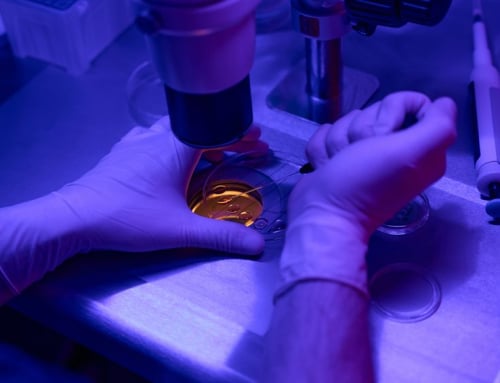
Laboratories assess embryos based on growth patterns, cell appearance, and development speed. Grading helps medical professionals identify the embryo with the best chance of implantation. Embryos receive a number and 2 letter grades, such as 4AA, based on the blastocyst’s expansion stage, inner cell mass, and outer layer quality. High-grade embryos are prioritized for transfer or freezing. Lower grades may still succeed, but often require more consideration. Grading is subjective and may vary slightly between fertility labs.
Medications boost implantation
Fertility medications prepare the body for embryo transfer by supporting ovulation, stabilizing hormone levels, and improving uterine lining thickness. Estrogen and progesterone are commonly prescribed after egg retrieval to encourage optimal conditions for implantation. During frozen embryo transfers (FET), additional medications may help synchronize the uterus with embryo timing. Individual responses to medication vary, and close monitoring during the cycle allows for adjustments in dosages as needed.
IVF success is multifactorial
Embryo grading and medications are important, but part of a much larger picture. Maternal age, egg quality, sperm health, and uterine conditions all influence fertility outcomes. High-quality embryos improve the chances of success, but not all transfers result in a live birth, even with excellent grades. Clinics often transfer 1 embryo at a time to reduce risks linked to multiple pregnancies. Preimplantation genetic testing (PGT) may also be used to select chromosomally normal embryos, further increasing success rates. A combination of tools is often the most effective approach.
Frozen transfers offer flexibility
Freezing high-grade embryos allows transfers to be scheduled during less hormonally intense cycles. The eggs are retrieved during 1 cycle, and then transferred to the uterus during another cycle, which can be scheduled weeks, months, or even years later when the woman is ready. This flexibility reduces physical stress and supports better endometrial preparation. Studies show that success rates for frozen transfers are comparable or even higher than fresh transfers in some instances. Many families achieve pregnancy after multiple transfers using frozen embryos from a single cycle. Frozen storage also offers options for future siblings.
Science supports success
Grading embryos helps select the most viable candidates for transfer, while medication ensures the uterus is ready to support implantation. Science, preparation, and personalized care all add up to a higher chance of success. Even when the first try doesn’t succeed, ongoing support and refined techniques improve the path forward. With the right approach, that 4AA embryo may soon be a happy, healthy baby.