How Uterine Lining Issues Affect IVF
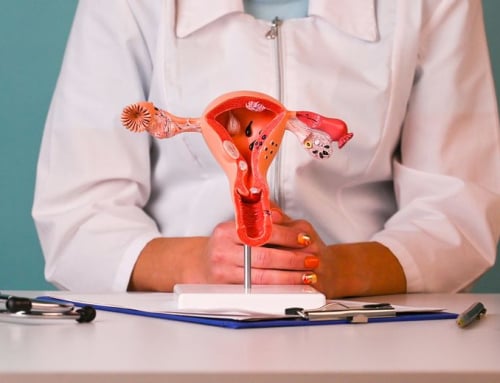
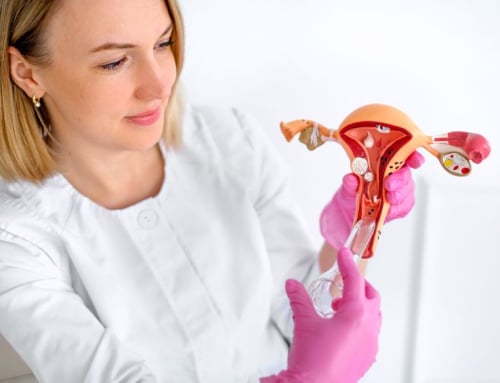
Endometrial hyperplasia happens when the uterine lining becomes unusually thick. This can make getting pregnant difficult, whether trying naturally or through in vitro fertilization (IVF). Endometrial hyperplasia affects how the uterus responds to hormones, which may throw off timing, lower the chance of implantation, or require extra treatment. Understanding how endometrial hyperplasia works can help guide the right steps in fertility care.
Effects during IVF
A thickened uterine lining can make fertility medications less effective. Estrogen may cause continued tissue growth, while progesterone may not provide enough balance. An unstable or overly dense lining can prevent implantation, even when using a healthy embryo. IVF cycles may require extra ultrasounds, hormone adjustments, or delays until the uterine environment appears more supportive on imaging.
How diagnosis guides care
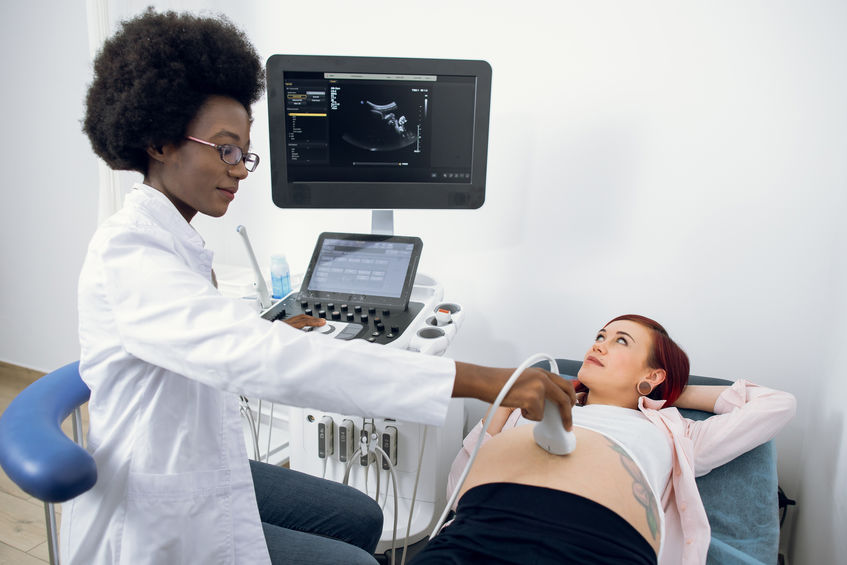
Evaluation often begins with a transvaginal ultrasound to check endometrial thickness. If results show excess tissue, a biopsy may be done to rule out abnormal cells. The type of hyperplasia determines the necessary treatment. Some cases need only hormone support, while others require treatment before starting IVF. A clear diagnosis helps avoid delays and leads to better cycle planning.
Medication management
Hormone levels are often adjusted to manage uterine lining thickness during IVF. Estrogen supports tissue growth, while progesterone helps stabilize the endometrium for implantation. When biopsy results show abnormal cells, other treatments may be recommended before beginning a cycle. Ongoing ultrasounds and bloodwork monitor hormone response and track changes in lining structure throughout treatment.
When more treatment is needed
Severe cases may require medical intervention before beginning fertility care. Options include progesterone therapy or a procedure to remove excess tissue from the uterine lining. The type of hyperplasia guides the next steps. Simple cases without abnormal cells are usually easier to manage. Atypical forms with cellular changes often call for closer monitoring and more involved care before starting IVF.
Steps for a healthier lining
Improving uterine health may involve lifestyle changes like weight management, insulin regulation, or addressing estrogen dominance. Nutritional support, exercise, and treatment for underlying conditions such as PCOS can also play a role. In some cases, fertility care is paused until imaging shows a more stable endometrial thickness. A focused care plan and consistent follow-up can help reduce recurrence and support better treatment outcomes.
Looking ahead after treatment
Some types of hyperplasia can return, especially without hormone balance. Regular follow-up with ultrasounds or occasional biopsies may be recommended after treatment or IVF. Ongoing progesterone support or other hormone regulation may help keep the lining stable. Long-term care planning helps protect future fertility and reduces the risk of delays in later cycles.
Making implantation work
Endometrial hyperplasia can complicate fertility treatment, but does not always prevent pregnancy. With proper diagnosis, hormone support, and follow-up, many people move forward with successful IVF care. A personalized plan and close monitoring give the best chance for a healthy outcome. Treatment decisions often depend on the type and severity of hyperplasia, along with how the uterine lining responds over time.