Trouble Getting Pregnant Again?
Conceiving once often leads to the expectation that another pregnancy will happen just as easily. When months pass without success, confusion and frustration can quickly follow. Secondary infertility, defined as the inability to become pregnant or carry a pregnancy to term after previously giving birth, affects many families. Understanding the possible causes can help couples decide on the next steps for growing a family.

Declining egg quality
Fertility naturally declines with time, especially after 35 years of age. Eggs decrease not only in number but also in quality, which raises the chance of chromosomal abnormalities that can prevent implantation or result in an early miscarriage. Even for women who conceived quickly in the past, a few years can make a significant difference. Evaluating ovarian reserve through hormone testing or ultrasound helps determine whether egg supply is contributing to the subsequent conception delay.
Changes in reproductive health
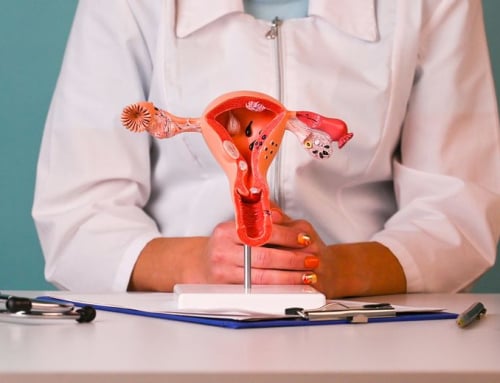
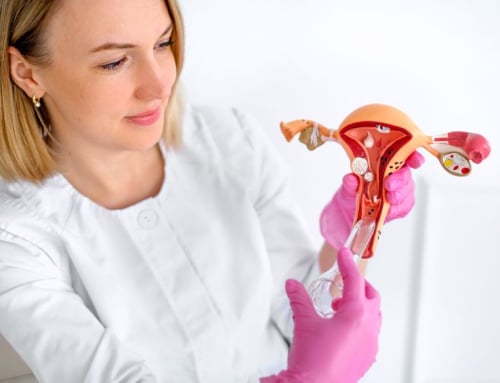
Conditions that develop after a first pregnancy can interfere with conception. Scarring from a prior cesarean section or infection may affect the uterus or fallopian tubes. Endometriosis or uterine fibroids can develop or worsen over time, disrupting the implantation process. Hormonal disorders such as thyroid disease or polycystic ovary syndrome (PCOS) may also emerge and alter ovulation patterns. A full reproductive evaluation can reveal any underlying factors that may need to be addressed.
Male fertility factors
Sperm health can change due to age, illness, lifestyle, or environmental exposures. Decreased sperm count, motility, or shape may reduce the likelihood of fertilization, even if previous pregnancies happened easily. Medical conditions such as varicocele, diabetes, or hormonal imbalance can also impact sperm production. A semen analysis (SA) provides valuable information on whether the male partner is part of the problem.
Lifestyle factors play a role
Weight changes, stress, and certain medications can influence fertility for both partners. Cigarette smoking, heavy alcohol use, or frequent exposure to heat and toxins may lower reproductive function. Chronic conditions such as diabetes or autoimmune disease can also interfere with hormones and implantation. Women planning a pregnancy should focus on good nutrition, regular exercise, and stress management to create a more favorable environment for conception.
When to seek professional guidance
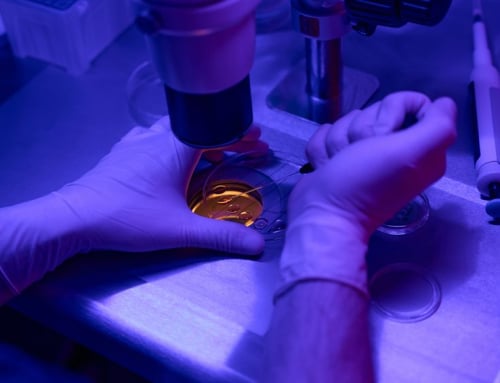
If pregnancy has not occurred after 1 year of trying in women under 35, or 6 months of trying in women over 35, consultation with a fertility specialist is recommended. Diagnostic testing for both partners can identify treatable issues such as blocked tubes, ovulation disorders, or sperm abnormalities. Many cases of secondary infertility respond well to interventions, such as intrauterine insemination (IUI) or in vitro fertilization (IVF), which can significantly increase the chances of pregnancy success.
Renewed hope for growing families
Secondary infertility can bring unexpected emotional strain, yet many couples eventually achieve another healthy pregnancy with the right support. Identifying the cause of infertility, focusing on positive lifestyle choices, and pursuing IUI or IVF when warranted can help keep couples on the path to parenthood once again.