Worried About Navigating Endometriosis?
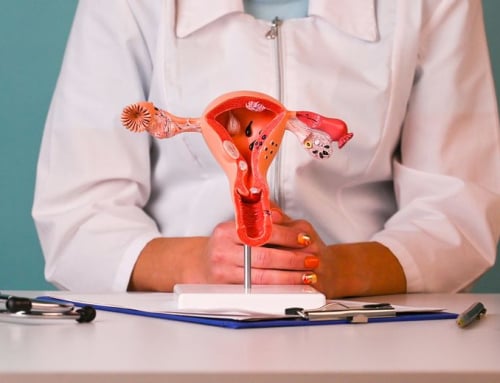
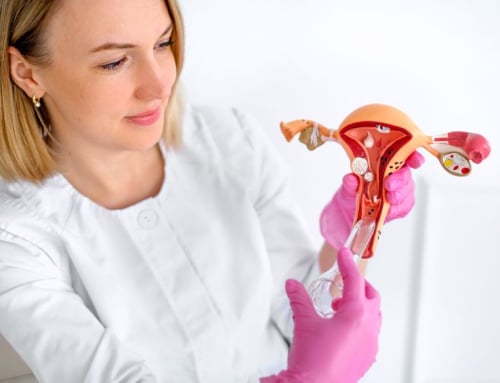
Endometriosis is a common reproductive health condition that impacts 10% of American women. When a woman has endometriosis, tissue that is like the uterine lining forms outside the uterus, often in places that can be harmful to reproductive health. Over time, this tissue can cause pain, inflammation, and scarring. For many women, a devastating side effect of endometriosis is the impact on fertility. Endometriosis can disrupt the fallopian tubes, ovaries, and other structures around the uterus. While the condition presents significant challenges, targeted medication strategies can help manage symptoms, reduce inflammation, and improve the chances of conception.
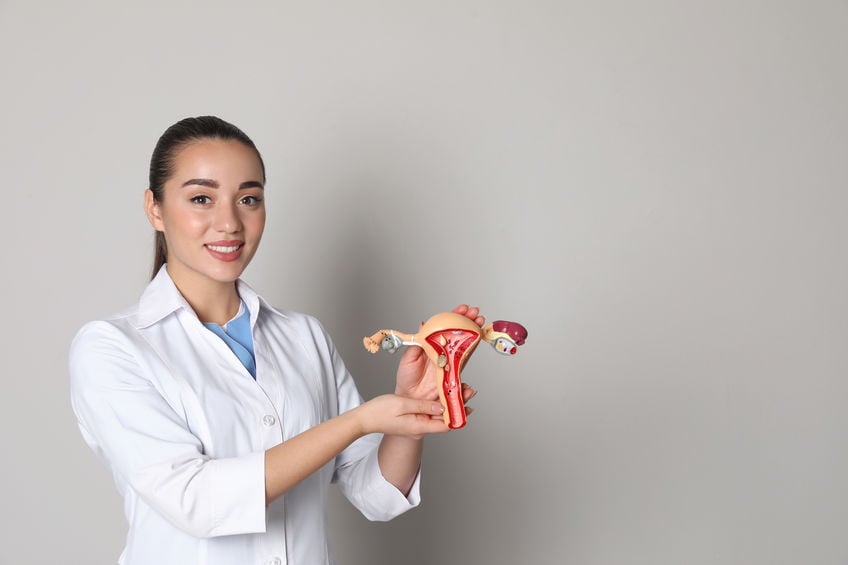
Can you improve fertility?
Studies suggest that 30-50% of women with endometriosis have trouble conceiving. The misplaced endometrial tissue responds to hormonal changes just like normal uterine lining. The resulting bleeding and inflammation can lead to the formation of adhesions and scar tissue. At the same time, statistics show that women with mild endometriosis can still get pregnant. Consistent, targeted treatment, however, is essential to success. Doctors will recommend attempting to treat endometriosis first, before attempting to conceive. Treatment involves surgery to remove scar tissue and other deposits, medication, or a combination of both strategies. From there, women are monitored for improvements in hormones, uterine receptivity, and overall fertility.
Can medication improve fertility?
After surgery, medication, and hormone therapy can help women with endometriosis improve pregnancy rates. For starters, oral contraceptives suppress ovulation and endometrial progression, improving symptoms. Using medication to manage endometriosis involves suppressing lesion growth and inflammation to create a better environment for conception. Doctors may also recommend hormone therapies like gonadotropin-releasing hormone (GnRH) agonists or progestins, which reduce inflammation and may improve fertility. These are used for several months before attempting pregnancy. The next step involves controlled ovarian stimulation combined with intrauterine insemination (IUI) to achieve pregnancy. This is an effective option for mild endometriosis, offering higher live birth rates than surgical correction alone.
Turning to ART
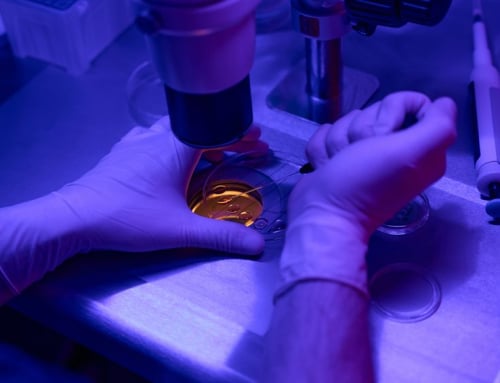
Using assisted reproductive technologies (ART) like in vitro fertilization (IVF) is an effective way to increase pregnancy success rates. Fertility clinics have more control over the process compared to expectant management or hormone therapy alone. With IVF, eggs are harvested from the woman’s ovaries, then combined with sperm to create multiple embryos. Women are required to use specific hormone medication to develop multiple follicles for this process. At the appropriate time, a single embryo is transferred to the uterus to achieve pregnancy. IVF allows much closer monitoring of the uterine lining that may have been impacted by endometriosis. Studies show that younger women with a healthy ovarian reserve can achieve pregnancy at similar rates as women with endometriosis.
Having children can happen with endometriosis.
Endometriosis can feel like an insurmountable obstacle for women hoping to get pregnant. The symptoms are not only harmful to health but also contribute to infertility. Navigating the condition can be challenging for women, but there are medication strategies that help. Work with a doctor to potentially treat the underlying adhesions surgically, then use the appropriate hormone medication. Over time, the recommended medications can create an environment for fertility naturally or with IVF. Endometriosis can be managed if addressed early, with the joy of having children possible in mild cases.