Does Rest Affect IVF Results?
Sleep often becomes an afterthought during fertility treatment. Appointments, medications, stress, and frequent monitoring can disrupt normal rest. Poor sleep can affect treatment outcomes in ways that are not always obvious right away. Hormone regulation, egg development, and embryo quality rely on regular overnight recovery. When sleep is inconsistent or interrupted, the body has a harder time meeting the physical demands of treatment.

Why sleep matters
Fertility treatment depends on stable hormone patterns. Sleep plays an important role in regulating estrogen, progesterone, and other hormones involved in ovulation, egg development, and implantation. Poor sleep quality can raise cortisol levels, which may interfere with hormonal signals and add extra strain during already demanding treatment cycles. When sleep is disrupted over time, the body may not respond as well to stimulation or support early pregnancy as effectively.
The sweet spot for sleep duration
Studies suggest that moderate sleep supports better fertility outcomes. Around 7-8 hours per night appears most helpful for egg quality, fertilization, and embryo development. Too little sleep can limit physical recovery, while consistently long sleep may reflect stress or hormonal imbalance. During treatment cycles, consistent sleep patterns tend to matter more than hitting a perfect number every night.
Effects on eggs and embryos
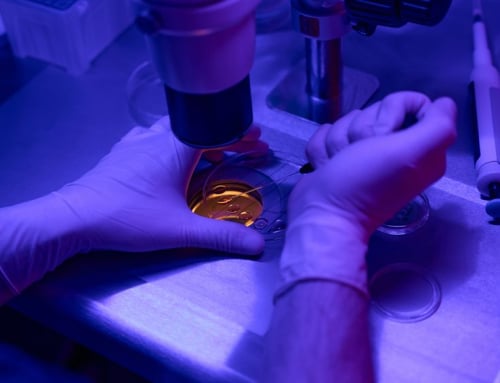
Poor sleep has been linked to fewer eggs retrieved and matured during in vitro fertilization (IVF) cycles. Fertilization rates and the number of high-quality embryos may also be lower when sleep is consistently disrupted. Trouble falling asleep, frequent waking, and inconsistent schedules can all play a role. These effects may not be obvious day to day but can add up over the course of treatment.
Why rest matters more with age
Sleep quality is important at all ages, but adequate sleep may play a bigger role in implantation success after age 30. As fertility becomes more sensitive to hormonal changes, consistent rest helps support treatment cycles. Sleep cannot counter age-related changes, but optimal sleep patterns may reduce added strain during fertility treatment.
Treatment stress and sleep loss
Fertility treatment can disrupt rest through early appointments, medication schedules, and ongoing worry. Stress often interferes with the ability to fall or stay asleep, and poor rest can heighten emotional strain the next day. This back-and-forth can make treatment feel harder than necessary. Better rest can make treatment feel more manageable, both emotionally and physically.
Small changes that help rest
Better rest usually comes from consistency, not strict rules. Going to bed and waking up around the same time helps the body settle into a rhythm. Reducing screen use in the evening makes winding down easier. A bedroom that stays dark, quiet, and cool can also make falling asleep easier. Simple ways to lower evening stress, without forcing relaxation, often make rest come more naturally.
Sleep as part of treatment support
Rest can feel minor next to medications and procedures, but how much a person sleeps affects how the body handles treatment from start to finish. Consistent rest helps with recovery and day-to-day tolerance of treatment demands. Better rest does not promise success, but ongoing sleep loss can make an already difficult process harder. Paying attention to rest is a part of fertility care that is within personal control.