Why This Cannot Be Done Alone
Fertility treatment involves more than appointments and test results. Physical demands, emotional strain, and constant decision-making can quickly wear people down. Having the right fertility care support team in place helps distribute that weight and reduces the sense of carrying everything alone. A strong fertility support team blends medical expertise with emotional and practical support, all centered around individual needs and comfort.

The clinical side of care
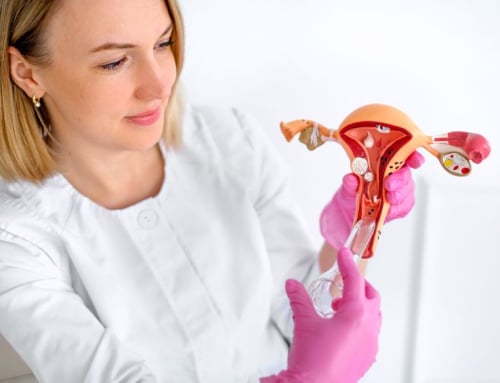
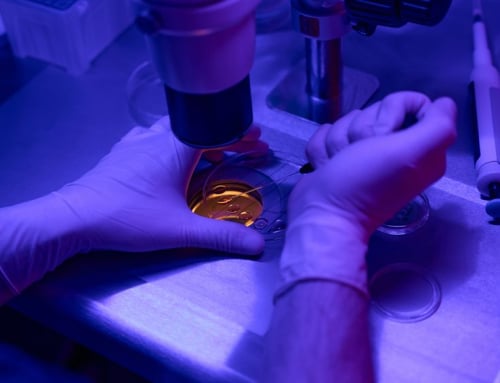
Medical care anchors the process. A reproductive endocrinologist usually leads diagnosis and treatment planning. Nurses, advanced practice providers, and coordinators handle most day-to-day communication, medication guidance, and scheduling. Lab staff and embryologists manage critical steps such as fertilization and embryo development, even though interaction is limited. Genetic counselors may step in when testing decisions arise, helping explain options clearly.
Support for emotional strain
Treatment can bring stress, grief, and emotional swings that feel hard to predict. Counselors familiar with reproductive care provide a space to talk through uncertainty and disappointment without judgment. Some people also benefit from connecting with others going through similar experiences, which can reduce isolation and normalize reactions. Support works best without adding pressure or extra stress.
Support outside the clinic
Personal support looks different for everyone. A partner often plays a central role, sharing both the emotional experience and practical responsibilities of treatment. Clear communication about needs and limits helps prevent misunderstandings during stressful moments. Trusted friends or family members can also offer support when carefully chosen. The most helpful support usually comes from people who listen, respect boundaries, and avoid trying to fix or minimize the experience.
Choosing what to share
Not everyone needs or wants a large support circle during this trying time. Deciding who knows details about treatment can help protect emotional energy. Some people prefer sharing updates only with a few trusted individuals, while others feel better keeping information private. Setting boundaries early allows support to remain helpful rather than overwhelming. Support should come from people who do not add pressure.
Staying in control
At the center of every fertility support team sits the patient. Asking questions, expressing concerns, and speaking up when something feels off helps guide care in the right direction. Managing emotional boundaries, pacing decisions, and advocating for personal needs are all part of that role. A good support team responds to those signals and adjusts accordingly.
Making the process manageable
A fertility support team does not need to be large or perfect to be effective. What matters most is access to reliable medical care, emotional support that feels safe, and open communication. With a strong and reliable support team, fertility treatment can feel more manageable and less isolating. Good support can make a difficult process feel less overwhelming.