Can Genetic Testing Transform Your IVF?
Fertility treatments, like in vitro fertilization (IVF), can be complex and delicate, so any advantage matters. As a result, preimplantation genetic testing (PGT) has become an increasingly common component of IVF treatment. This innovative test screens embryos for genetic abnormalities before transferring. While the technology sounds advanced, and the terminology can be confusing, understanding what PGT tests can be game-changing. Infertility patients can discover whether PGT is right for each situation. This test also helps patients make informed decisions about fertility treatment. For the right situation, PGT can even improve success rates. This guide breaks down the science, candidates, benefits, limitations, and decision-making framework for PGT.

What is PGT exactly?
PGT encompasses 3 distinct types of genetic testing that screen for different issues and have specific uses. The PGT-A test for aneuploidy screens for chromosomal abnormalities. Too many or too few chromosomes result from aneuploidy. These embryos fail to implant or lead to miscarriage. Successful births can lead to conditions like Down syndrome. PGT-M tests for monogenic disorders. These are specific genetic diseases caused by single-gene mutations. Common examples include cystic fibrosis, sickle cell disease, or Huntington’s disease. PGT-M allows parents at risk of passing genetic conditions to select unaffected embryos. Finally, PGT-SR tests structural rearrangements, identifying embryos affected by chromosomal structural abnormalities. This includes translocations or inversions, where chromosome segments are rearranged. An imbalance may lead to failed implantation or miscarriage. PGT-SR identifies embryos with normal or balanced chromosome structures, improving pregnancy success rates.
The science behind testing
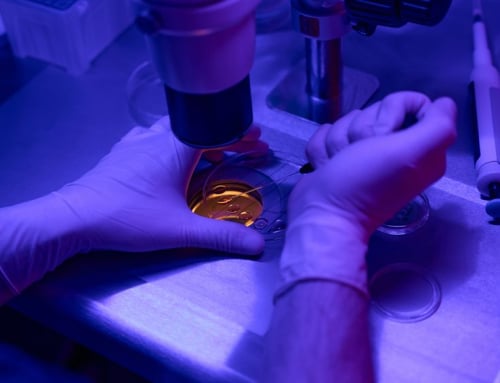
PGT occurs before embryo implantation, providing the fertility team with data on each embryo to help make better decisions. The PGT process begins with embryo biopsy, typically performed on day 5, 6, or 7 of embryo development. At this point, embryos reach the blastocyst stage, containing over 100 cells. The embryologist uses a specialized microscope and laser technology to create a small opening in the embryo’s outer layer. About 5-10 cells are removed from the part that becomes the placenta, ensuring the inner cell mass remains intact. The biopsied cells are sent to specialized laboratories for analysis. This lab will use technologies like next-generation sequencing (NGS) to count chromosomes and identify any abnormalities. One or all PGT tests are performed. This process can take 1-2 weeks, so the embryos are frozen and stored until implantation is possible.
Who should consider PGT?
PGT is not required in all IVF cases. Most patients have successful pregnancies without genetic testing. At the same time, there are some cases where PGT is especially useful. Advanced maternal age represents the most common indication for PGT-A. Aneuploidy rates increase dramatically after age 35, and by age 40, over 60% of embryos may be chromosomally abnormal. Patients experiencing multiple IVF failures without a clear explanation may benefit from PGT. Couples with known genetic conditions, family history of genetic disease, or confirmed carrier status should discuss PGT-M with the clinic before embryo transfer. Some clinics recommend PGT in cases of severe male factor infertility, which can sometimes lead to higher aneuploidy rates. Generally healthy patients who want to maximize the IVF process or prefer single embryo transfer also benefit from PGT.
Benefits and limitations
Perhaps the biggest benefit is the ability to choose and transfer chromosomally normal embryos, thereby increasing pregnancy rates per transfer. PGT also increases confidence in elective single embryo transfer (eSET), reducing the risk of multiple births. For couples at risk of genetic disease transmission, PGT-M provides peace of mind that the condition will not be passed to the child. Patients should also be aware of the limitations and risks. There are additional costs and time involved in PGT, which can place additional strain on patients. Some tests can yield no viable embryos, which can be emotionally distressing and prolong IVF. PGT also does not guarantee pregnancy. Even normal embryos still face 50-60% implantation rates depending on age and other factors. There is also the rare risk of embryo damage and error rates. Weigh the pros and cons of PGT with the fertility team before proceeding.
PGT can make a difference
Successful IVF can take time, effort, and precision. Even then, some cases may lead to poor implantation, miscarriages, and failed cycles. PGT can be the difference maker, providing details on embryos that would otherwise be impossible to know. Genetic testing finds the best embryos, improving success rates. Speak to the fertility clinic about specific protocols surrounding genetic testing, success rates, and addressing complex results. Consider factors like age and genetic history. The decision to use PGT should be individualized and informed, based on the patient’s unique circumstances.