How Does PCOS Affect Fertility?
Polycystic ovary syndrome (PCOS), recently renamed to polyendocrine metabolic ovarian syndrome (PMOS), disrupts ovulation through hormonal imbalance that affects egg development and release. Elevated androgen levels can interfere with follicle maturation and lead to irregular or absent cycles. Insulin resistance often accompanies PCOS and further alters hormone signaling within the ovaries. These combined effects reduce the likelihood of predictable ovulation and timely conception. Understanding the connection between PCOS and infertility can help women successfully seek treatment and start or grow a family.
PCOS symptoms
Clinical signs of PCOS often include irregular periods, acne, excess facial or body hair, and difficulty maintaining a stable weight. Some women experience long gaps between cycles or fewer than 8 periods per year. Ultrasound findings may show enlarged ovaries with multiple small follicles. Bloodwork can reveal elevated androgen levels or abnormal insulin markers. Early recognition of symptoms can lead to a prompt diagnosis and more effective management.
Evaluating fertility
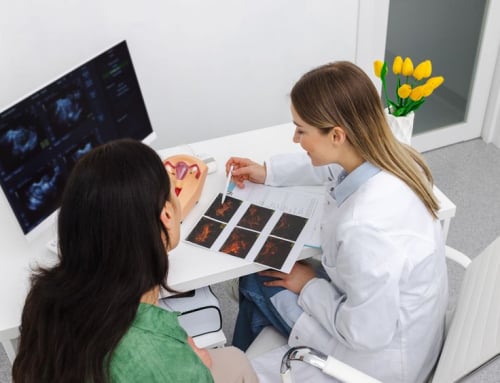
In women with suspected PCOS, a structured evaluation begins with a detailed menstrual history, assessment of symptoms, and physical exam. The healthcare provider will order bloodwork to measure certain hormones that help regulate ovulation. Anti-müllerian hormone (AMH), luteinizing hormone (LH), and total and free testosterone are standard tests ordered on Days 2-5 of the menstrual cycle to gather more information and help make a diagnosis. Ultrasound imaging can be used to evaluate ovarian appearance and follicle development. Additional testing may assess glucose metabolism and insulin response. This comprehensive approach ensures that treatment plans address both reproductive and metabolic factors.
Taking the next steps
If pregnancy has not occurred after several months of trying, treatment is often recommended. Age, cycle pattern, and overall health influence timing and urgency. Early intervention can reduce delays and improve success rates. Persistent symptoms or abnormal lab findings also support the need for medical management. Women with PCOS who want to start or grow a family should proactively seek out treatment for the highest chances of success.
Improving ovulation with treatment
Lifestyle adjustments can enhance ovulation by improving insulin sensitivity and hormone balance. Nutritional changes and regular physical activity often support more consistent cycles. Medications may be used to help stimulate ovulation or regulate hormone levels to improve egg release. Management of insulin resistance can further enhance treatment response. In some cases, assisted reproductive technology (ART), such as in vitro fertilization (IVF), may be recommended if first-line treatment options are not effective.
A clearer path to conception
Infertility caused by PCOS reflects a combination of hormonal and metabolic challenges that can be addressed with structured care. Early diagnosis and individualized treatment improve the chances of restoring ovulation. Many individuals go on to achieve successful pregnancies with the right combination of lifestyle changes and treatment. Informed decisions and proactive management create a more predictable and hopeful fertility journey.