
Can Cryopreservation Improve IVF Outcomes?
For many women, egg freezing can be a practical way to slow down the clock when pregnancy is not on the immediate horizon. Cryopreservation is the process by which eggs or embryos are frozen and stored for future use. For women focused on climbing the corporate ladder, individuals who have not found the right partner, or patients facing health challenges, cryopreservation can be a game-changer. Advances in freezing methods have improved survival rates after thawing, which can help increase the chances of a successful pregnancy.
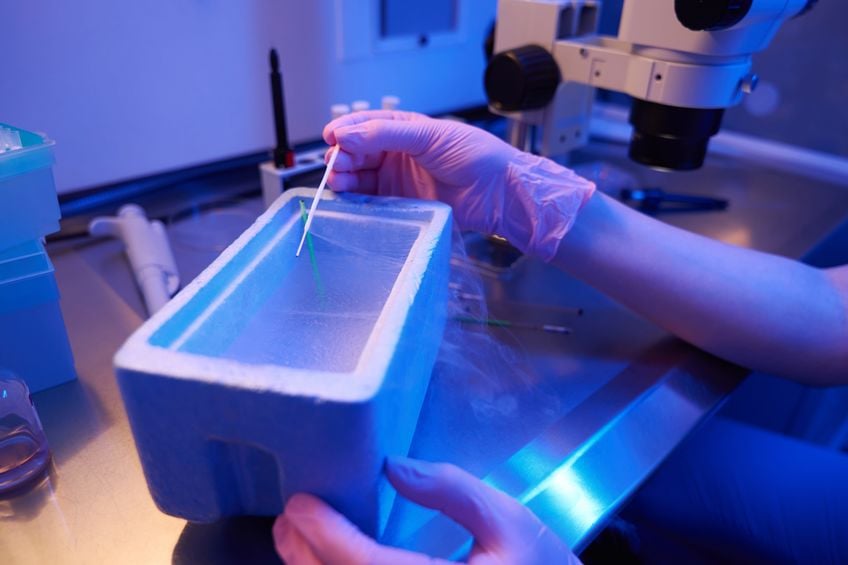
Frozen for later
Cryopreservation is the process of freezing reproductive cells at very low temperatures. Some women choose to freeze eggs only, while others create embryos by combining eggs and sperm before freezing. Sperm freezing is also an option for men who want to preserve fertility. Specialized techniques protect cells from damage during freezing and thawing. Vitrification is a fast-freezing method that prevents ice crystal formation. This approach helps maintain cell structure and function, allowing frozen samples to be stored safely for extended periods.
Modern flexibility
Cryopreservation is a great option for women or couples who aren’t quite ready for a baby but want to protect future fertility. Freezing eggs or embryos helps pause age-related changes that can affect egg quality and quantity. This approach allows life plans, career goals, and health needs to take priority without added pressure. When the timing feels right, an embryo transfer can be scheduled under optimal conditions. Egg freezing supports modern flexibility by giving patients more control over when and how to pursue parenthood.
Improved success rates
Modern freezing techniques have significantly improved survival rates after thawing, allowing more embryos to remain viable for transfer. Research shows that frozen embryo transfers (FET) can sometimes lead to better implantation outcomes compared to fresh transfers. The uterine environment may be more stable during a frozen cycle, since hormone levels are not affected by ovarian stimulation medications. This stability can improve endometrial receptivity at the time of transfer. In addition, having time to assess embryo development and, when appropriate, perform genetic testing allows for more informed selection. Together, these factors contribute to more consistent, predictable, and often improved IVF success rates.
Considering pros and cons
While many individuals report positive experiences with cryopreservation, there are a few important factors to consider before deciding on egg or embryo freezing. Storage costs can sometimes be high. Having a general idea of how long embryos may need to be stored and what the annual storage fee is can help with financial planning. Couples who store embryos together should discuss what to do if a divorce or separation happens. An embryo disposition agreement should typically be filled out before starting the process.
Pregnancy on your terms
Cryopreservation continues to improve both flexibility and success in IVF treatment. The ability to freeze and store eggs and embryos allows patients to pursue parenthood at a time that feels right. Advances in technology support strong survival rates and positive outcomes when using frozen specimens. For many women and couples, cryopreservation remains a valuable component of modern fertility care.