Can Fibroids Affect Fertility?
Up to 80% of women will develop fibroids at some point during the childbearing years. In many cases, fibroids can go undetected, but for some women the growth is large enough to cause symptoms and impact fertility. Understanding what causes fibroids, when to be concerned, and how to assess and treat to optimize reproductive outcomes is important for women considering pregnancy. Here’s what to know about uterine fibroids and how these growths can affect fertility.
The fibroid 411
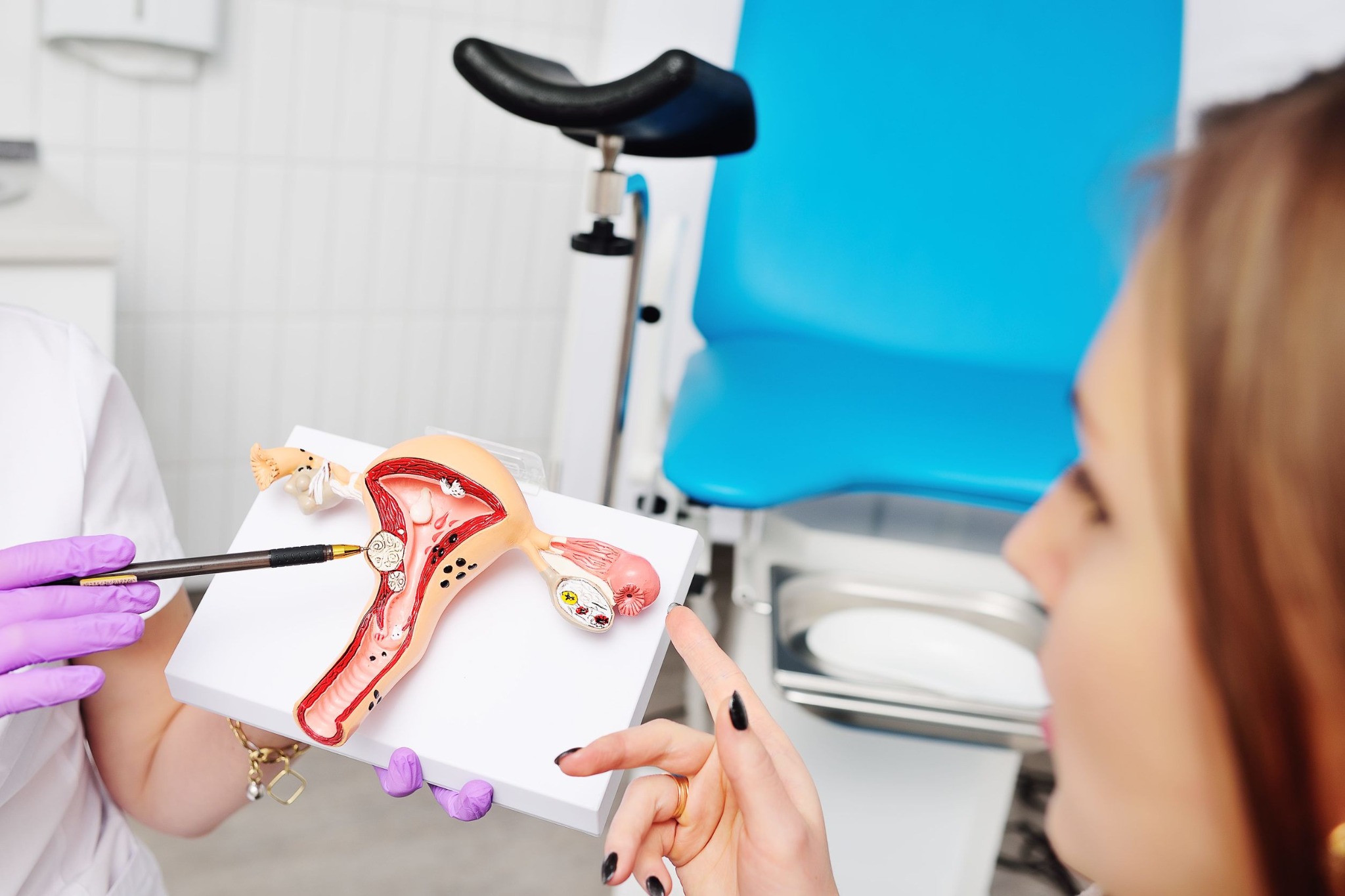
Also known as myomas, fibroids are noncancerous tumors that grow in the uterus. There are 4 primary types of fibroids. Intramural fibroids grow within the muscular walls of the uterus and are the most common type of fibroid. Submucosal fibroids develop under the endometrium, the inner lining of the uterus, and are more likely to cause severe symptoms and infertility. Subserosal fibroids develop on the outer surface of the uterus, while pedunculated fibroids grow on a slender stalk inside or outside the uterus. Fibroids can range from pea-sized to watermelon-sized, and some women may have multiple fibroids.
Size and location matter
The larger the fibroid, the more likely the woman is to experience symptoms, which can include heavy bleeding, severe menstrual cramps, pelvic pain or pressure, pain during intercourse, and frequent urination. Most experts consider fibroids over 5cm, about the size of a lime, to be most concerning. However, location matters too. Infertility, miscarriage, and complications during labor are more likely to occur when submucosal fibroids are present inside the uterine cavity. These growths can decrease available space for an embryo to implant and grow.
Impact on fertility
Many women with fibroids will go on to get pregnant naturally. However, in some cases the size, number, or location of the fibroids can interfere with implantation. Fibroids that block the cervix or fallopian tubes can interfere with the ability of the sperm and egg to meet. If large myomas or multiple fibroids are present in the uterine cavity, the embryo may not have enough space to implant. The presence of fibroids can also decrease blood flow to the uterine cavity, negatively impacting fertility. Once a pregnancy is achieved, fibroids can also increase the risk of miscarriage due to uterine cavity distortion and blood flow disruption.
Removal and IVF
For many women, removing any fibroids that are present is the best approach before further attempts at pregnancy are made. The removal procedure, known as a myomectomy, can be performed in different ways depending on the location and size of the fibroids. After a brief recovery period, patients will be given the green light to try for pregnancy again without a major blockage impeding the site of implantation. If a removal cannot be performed, the fibroids have caused structural damage, or other infertility factors are present, in vitro fertilization (IVF) may be recommended as a next step. With IVF, many women go on to successfully get pregnant.
Overcoming blockages
Fibroids are a common occurrence that can negatively impact fertility. Learning more about the type and size of the fibroid, and the total number of fibroids present, can help patients determine a positive path forward. Fibroid removal is often the best choice for women who want to try to pursue pregnancy naturally. If removal is not possible or uterine damage has already occurred due to the growths, IVF is a viable solution. With appropriate evaluation and treatment, many women can still achieve successful pregnancies despite the presence of fibroids.