
Could It Help You Conceive?
Ovulation induction is often among the first fertility treatments recommended for people who are not ovulating regularly or who need additional support to improve the chances of conception. Instead of replacing the natural reproductive process, the treatment encourages the ovaries to develop and release a mature egg. For many patients, ovulation induction offers a less invasive starting point before considering more advanced fertility treatments.
Who may benefit?
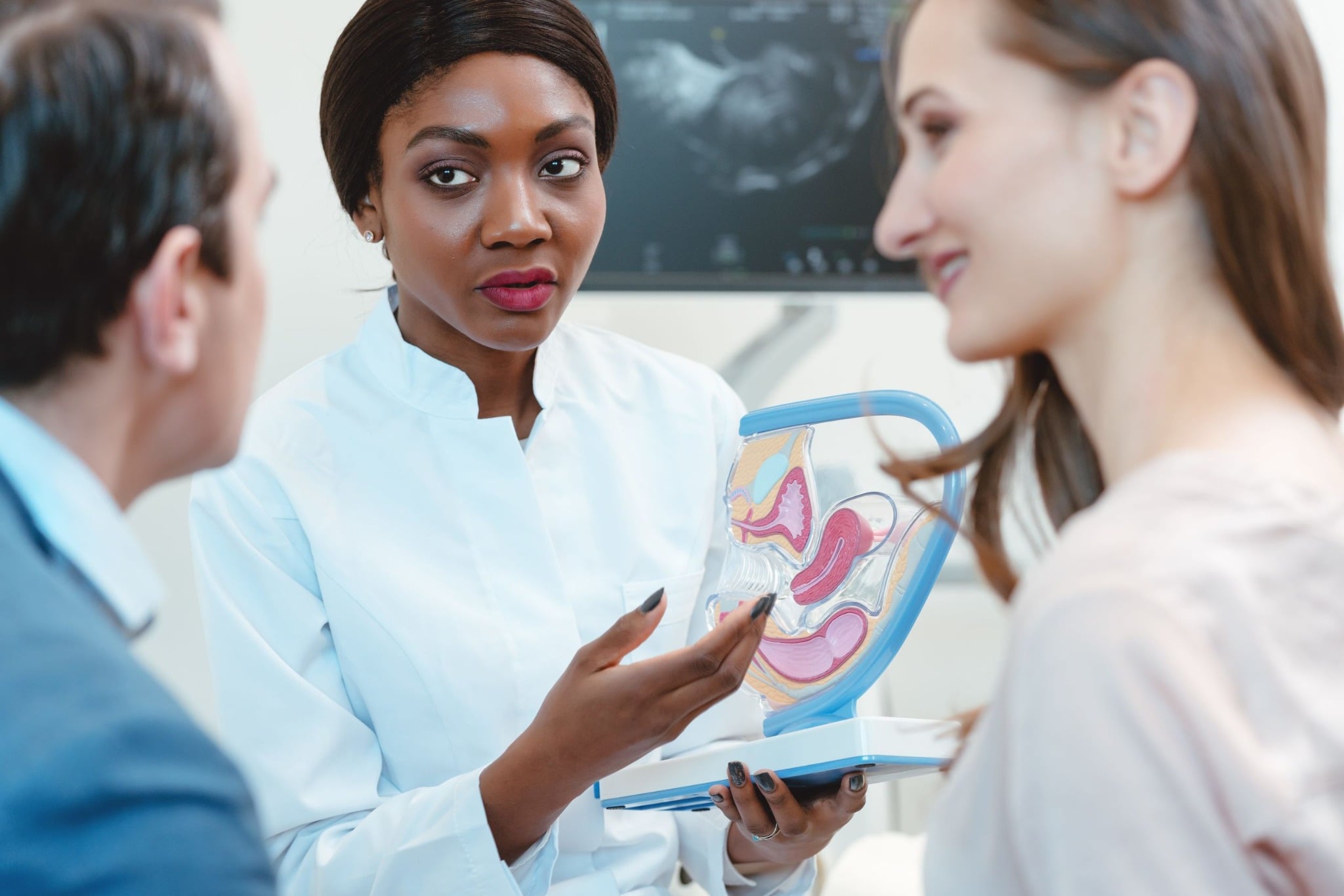
Ovulation induction is commonly recommended for people with irregular or absent ovulation, including many individuals with polyendocrine metabolic ovarian syndrome (PMOS). Induction may also be considered for some patients with unexplained infertility or when improving the timing of ovulation could increase the chances of pregnancy. A fertility evaluation helps determine whether ovulation induction is an appropriate treatment based on medical history and the underlying cause of infertility.
How does induction work?
Treatment usually begins with fertility medications that encourage egg development within the ovaries. Depending on the treatment plan, medications may be taken as oral tablets or injectable hormones. Throughout the cycle, ultrasound examinations and blood tests monitor how the ovaries respond and help determine when ovulation is most likely to occur. In many cases, treatment is followed by timed intercourse or intrauterine insemination (IUI).
Keeping track of changes
Monitoring is an important part of ovulation induction because every person responds differently to fertility medications. Ultrasound imaging allows the fertility team to track follicle growth, while blood work measures hormone levels throughout the cycle. Fertility appointments help determine the safest medication dose and identify the best time for ovulation
What are the possible risks?
Like any fertility treatment, ovulation induction carries some risks. Fertility medications may occasionally lead to ovarian hyperstimulation syndrome (OHSS) or increase the chance of multiple pregnancies when more multiple eggs are released. Careful monitoring helps reduce the risks and allows medication doses to be adjusted when needed.
Is induction necessary?
Ovulation induction is not the right choice for every fertility diagnosis. The treatment works best when ovulation is the primary issue affecting conception. Conditions such as severely blocked fallopian tubes, significant male factor infertility, or other reproductive health concerns may require different treatment approaches. The fertility team considers the complete medical history before recommending the next step.
When another cycle is needed
Not becoming pregnant after a treatment cycle does not necessarily mean ovulation induction has failed. Sometimes the ovaries respond well, but fertilization or implantation does not occur. After each cycle, the fertility team reviews how the medication worked, whether ovulation happened as expected, and whether adjustments may improve the chances of pregnancy during a future cycle. In some situations, another fertility treatment may be recommended based on the results.
Taking the next step
Ovulation induction gives many people an opportunity to pursue fertility treatment without immediately moving to more complex procedures. The treatment plan, medications, and monitoring schedule are individualized based on the reproductive health and fertility goals of the patient. Working closely with a fertility specialist helps determine whether ovulation induction offers the most appropriate path forward.