
Support Where Needed Most
When undergoing fertility treatment, every stage is delicate and needs the utmost support and attention. The luteal phase plays a critical role in early pregnancy but can be a misunderstood part of fertility care. This phase begins after ovulation or egg retrieval and lasts 14 days on average, continuing until either menstruation or confirmation of pregnancy. During this window, the body prepares the uterine lining to receive an embryo. With in vitro fertilization (IVF) and other forms of assisted reproductive technology (ART), the luteal phase must be carefully monitored and supported. The right hormone medication creates the environment needed for the implanted embryo to thrive. Without adequate luteal support, the uterine lining may not be fully prepared for implantation. Understanding the importance of luteal phase support helps patients and clinics take the necessary steps to increase success rates.
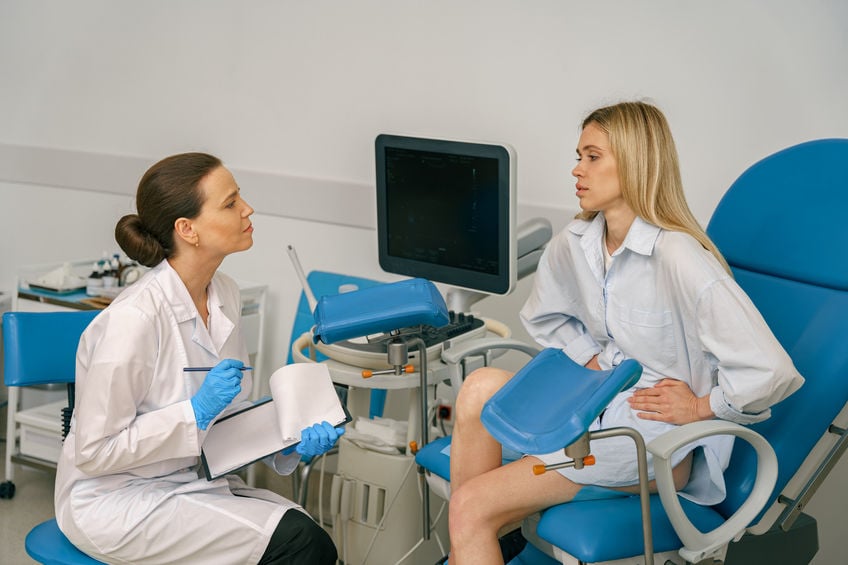
Fertility treatments and hormone balance
During natural cycles, progesterone is released by the corpus luteum to prepare the uterus for pregnancy. This hormone thickens the uterine lining, enhances blood flow, and promotes immune tolerance. Research shows that inadequate progesterone levels are associated with lower implantation rates and higher miscarriage risk. Progesterone levels can change with fertility treatments. IVF protocols commonly involve medications that change normal ovulation signaling. The goal of hormone medication is to produce multiple eggs needed for extraction and embryo creation. At the same time, progesterone levels can fall below what is needed to sustain implantation. Procedures such as egg retrieval can further compromise natural hormone production. Luteal phase support addresses this issue, ensuring the patient has sufficient progesterone during the most vulnerable stage of pregnancy.
What support do you need?
Progesterone can be delivered in several ways, including vaginal suppositories, oral capsules, or injections. Some cases may need additional estrogen to further stabilize this stage of treatment. Each delivery method has different absorption patterns and side effects. The fertility team will choose the best option based on patient needs, hormone levels, and past results from previous IVF cycles. Some patients need specific forms, while others metabolize progesterone differently. Compounding allows fertility pharmacies to create custom doses to meet these needs. Along with customization, close monitoring through bloodwork and ultrasound allows fine-tuning throughout the cycle.
Do your part
While hormone therapy during IVF is vital, lifestyle factors also matter during the luteal phase. Sleep, stress reduction, gentle exercise, and proper nutrition support overall hormonal balance. Avoiding intense exercise, alcohol, and smoking during this period further helps with early implantation. Patients are encouraged to follow medication schedules precisely. Communicate any side effects or concerns with fertility specialists. Small deviations in progesterone timing can impact outcomes during this critical window.
Small window, big impact
The luteal phase may be a small window, but has a significant impact on IVF success. Stabilizing the hormones during the luteal phase strengthens the uterine lining and supports early embryo development. Whether undergoing IVF with fresh or frozen embryos, a properly managed luteal phase can be transformative. Follow the recommended progesterone protocol and implement optimal lifestyle changes. Along with close monitoring and adjustments, this period can change IVF outcomes and improve implantation success.