
Inhospitable Uterus: Miscarriage Cause?
Structural challenges within the uterus can impact fertility and increase the chance of miscarriage. Uterine abnormalities such as structural issues, fibroids, polyps, and scarring may interfere with implantation or disrupt early pregnancy development. These issues are sometimes congenital and present from birth or acquired later due to surgery, infection, or trauma. Diagnosis typically involves the use of an ultrasound, saline sonogram, or hysteroscopy. Once identified, many abnormalities can be treated or managed to improve fertility outcomes. In some cases, in vitro fertilization (IVF) can be used to increase the chances of conception.
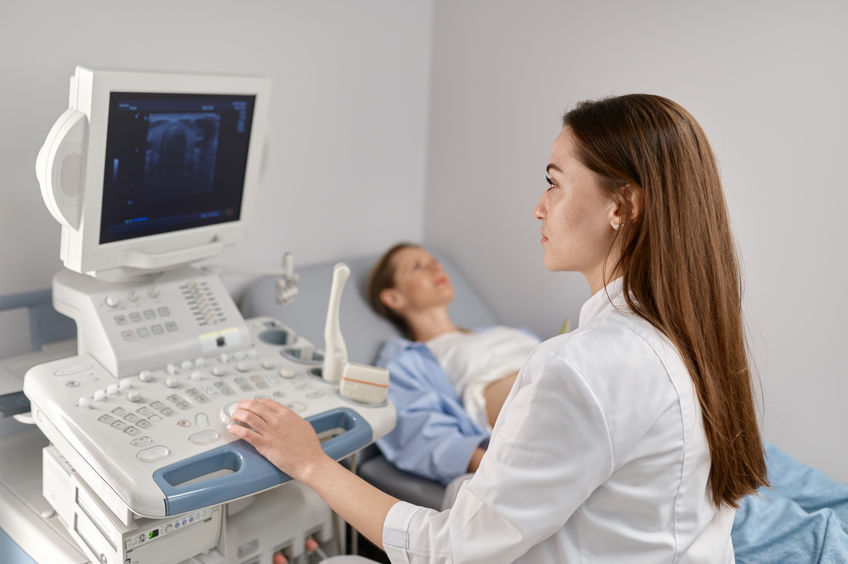
Structural uterine abnormalities
Congenital abnormalities happen during fetal development and may go undetected until fertility issues arise. A septate uterus, for example, includes a central tissue partition that can limit space and blood supply for implantation. A bicornuate uterus features 2 upper cavities and a heart-shaped appearance. An arcuate uterus has a slight indentation at the top but typically causes fewer complications. A unicornuate uterus is a rare condition where women have only half of a uterus and 1 fallopian tube. Uterus didelphys presents with 2 separate uterine cavities and often 2 cervices. In extremely rare cases, the uterus is absent entirely. Each condition varies in severity and can impact pregnancy differently.
Fibroids, polyps, and adhesions
Even if the uterus develops normally, issues can arise later in life. Fibroids are benign muscle tumors that can alter the shape of the uterus, depending on size and location. Polyps are small, soft overgrowths of endometrial tissue that may interfere with embryo implantation. Intrauterine adhesions, often caused by infection or surgery, can reduce available space for implantation or thin the uterine lining. Symptoms can vary but may include abnormal bleeding or infertility. Imaging tools and hysteroscopy are commonly used for diagnosis and surgical planning.
How abnormalities affect IVF success
In vitro fertilization bypasses the fallopian tubes but still depends on a healthy uterine lining for implantation. A distorted cavity may result in reduced success rates even with high-quality embryos. Even if a transfer is successful, miscarriages may still occur due to poor blood supply. Fibroids and polyps can also lower the success rate of IVF treatment, especially if multiple growths are present. Although IVF can help, the procedure cannot fully overcome an abnormal uterine environment unless the structural issue is corrected. In most cases, surgical removal or correction is recommended before proceeding with fertility treatment.
Surgical treatments that improve outcomes
Hysteroscopic surgery can correct many intrauterine issues using a minimally invasive approach. Septum removal, polypectomy, and fibroid resection within the cavity are commonly performed to restore a normal shape. In cases of severe scarring or adhesions, multiple procedures may be necessary to restore the endometrial lining. After surgery, many patients experience improved IVF success and live birth rates. Recovery is generally quick, and fertility treatment can typically resume within 1-2 months.
Options exist beyond the diagnosis
Many individuals with uterine abnormalities achieve healthy pregnancies with proper treatment and care. IVF can be successful when the uterine environment is properly addressed first. Advances in reproductive surgery, imaging, and embryo technology allow doctors to overcome many challenges that previously left a patient unable to conceive. Expert guidance and a personalized plan offer the best chance at building a family despite structural hurdles.