
Are You Ready For FET?
Women who undergo in vitro fertilization (IVF) to get pregnant typically have 2 transfer options to choose from. A fresh embryo transfer uses a newly created embryo retrieved during the same cycle. A frozen embryo transfer (FET) uses a previously created embryo that is thawed and placed into the uterus later. With FET, embryo creation and transfer are separated, allowing the body to recover from ovarian stimulation. Careful timing and preparation help support successful implantation. Understanding the FET process and who benefits most from this approach can help patients make an informed decision about whether fresh or frozen is the better choice.
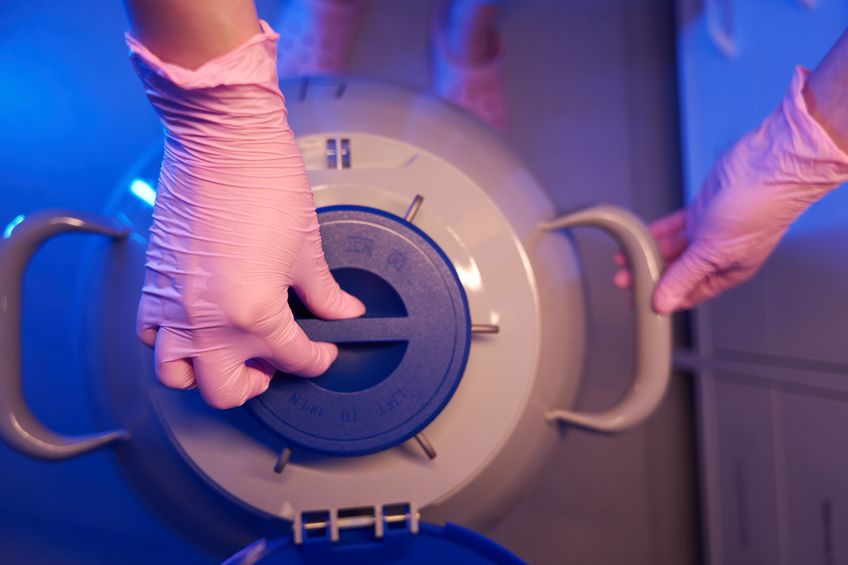
Embryos on ice
During IVF, the patient must first undergo an egg retrieval. Healthy eggs are then combined with sperm to create embryos. At this stage, the embryos can either be immediately used in a fresh transfer or frozen for future use. Frozen embryos undergo a process called vitrification, which rapidly cools the specimen to prevent damage caused by ice crystal formation. This technique helps maintain embryo quality during storage. Frozen embryos are kept in controlled laboratory conditions until an FET is scheduled. Many embryos remain viable for extended periods with proper storage. This flexibility allows transfer to occur at a later, carefully selected time.
Preparing for transfer
Prior to transferring a frozen embryo, the fertility clinic will work with the patient to optimize the uterine lining for implantation. Hormonal medications may be used to thicken the lining and create a receptive environment. During the cycle, ongoing ultrasound and bloodwork monitoring are used to confirm readiness. The FET is scheduled to align with the body’s natural cycle, with transfer typically occurring a few days after ovulation.
Who benefits from FET?
Individuals who want to delay pregnancy, reduce the effects of ovarian stimulation, or improve implantation conditions can benefit from FET. Women with hormone-sensitive conditions or risk of ovarian hyperstimulation (OHSS) may also benefit from a frozen approach. Patients opting for genetic testing of embryos must also freeze the specimen before transfer. Women pursuing multiple pregnancies from 1 retrieval cycle may opt for an initial fresh transfer, followed by FET for future pregnancy attempts.
What to expect after transfer
The frozen embryo transfer procedure is typically quick and does not require anesthesia. Mild cramping or spotting may occur afterward, but most individuals resume normal activities within 1 day. Hormonal support continues to maintain the uterine lining during this important time. A blood test is scheduled about 9-14 days after transfer to confirm pregnancy. Patients are encouraged not to read too much into possible pregnancy symptoms, such as bloating and sore breasts, as fertility medications may still be causing symptoms at this stage of treatment.
A flexible path forward
Frozen embryo transfer offers a controlled and adaptable approach within IVF treatment. Separating embryo creation from transfer allows for optimal timing, sufficient recovery, and individualized care. Advances in freezing technology have improved success rates and expanded options. With FET, patients can feel confident about achieving pregnancy goals.