Worried About Hormones And Ovulation?
Fertility and hormones work hand in hand, especially for women. Balanced hormones are necessary for ovulation, the most important event in the reproductive cycle. The slightest disruptions in hormones can impact ovulation or even contribute to infertility. When trying to get pregnant naturally or with assisted reproductive technologies (ART), hormone health guides success. When there are imbalances, women will need guidance from fertility specialists. The hormone-fertility relationship must be addressed to achieve any pregnancy and parenthood goals.
The ovulation process
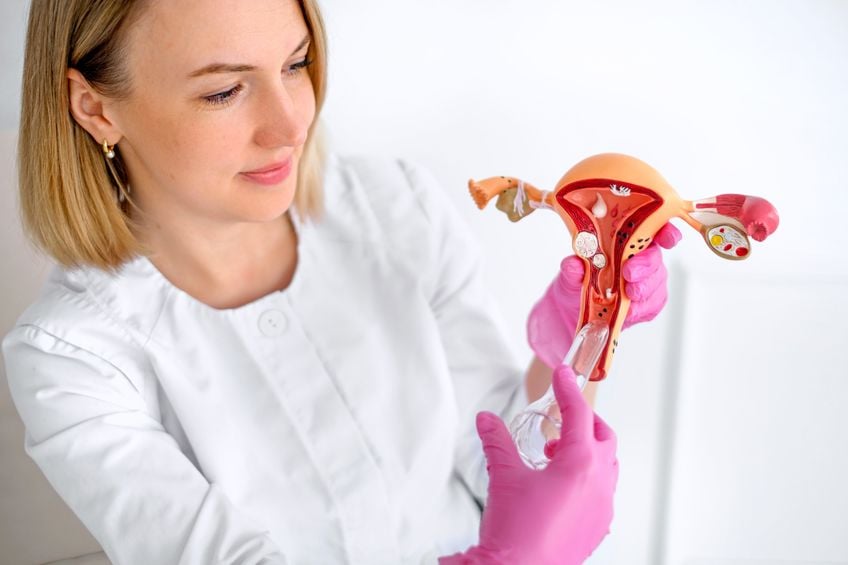
When someone mentions female hormones, estrogen often comes to mind, but different hormones play a more vital role in ovulation and fertility. Ovulation is a process between the brain and ovaries that creates a mature egg at the precise moment. Ovulation cannot happen without follicle-stimulating hormone (FSH) and luteinizing hormone (LH). The pituitary gland creates these hormones, which cause follicles in the ovaries to start growing. These follicles develop, mature, and release estrogen. The continuous rise in estrogen activates a massive spike in LH to release the mature egg into the fallopian tube, triggering ovulation. The process must be dialed in to achieve ovulation on schedule.
Imbalances and ovulation
These hormones must operate at precise levels to achieve ovulation. When hormones are too high or too low, ovulation may be disrupted. Poor ovulation can happen at any time due to many internal or external factors. If regular ovulation disruptions keep happening, however, women can develop infertility. Several conditions impair normal hormonal function, particularly those that disrupt hormone production or signaling. Polycystic ovary syndrome (PCOS), for instance, is a common cause of ovulatory dysfunction. Issues with the thyroid can also impact reproductive hormones. Other reasons include a diminished ovarian reserve, primary ovarian insufficiency (POI), and elevated prolactin levels.
Diagnosing hormone imbalances
Poor ovulation due to hormone imbalances can lead to difficulty getting or staying pregnant. Some women may also struggle with irregular menstrual cycles, missed periods, and unpredictable ovulation. These symptoms suggest a deeper issue. A detailed examination by a fertility specialist can diagnose any ovulation challenges. The specialist will perform a comprehensive blood test. This test reveals irregular FSH, LH, estrogen, or progesterone levels. Specialists may go a step further by assessing Anti-Müllerian hormone (AMH), which gauges ovarian reserve. Assessing thyroid hormones, prolactin, and androgen levels also influences ovulation. Additional tests, including ultrasounds, can detect underlying conditions such as PCOS or fibroids.
Your next steps
Since hormone imbalances affect ovulation, and possibly pregnancy, the goal is to address the underlying issue. Some women can benefit from hormone medication based on test results. The right mix improves ovulation and increases the chances of pregnancy. The fertility team may suggest combining hormone medication with intrauterine insemination (IUI) for those trying to get pregnant sooner. Hormone medication or surgery can also help with underlying issues like PCOS or fibroids. Along with medical support, doctors will recommend lifestyle changes known to improve hormonal balance. Diet, exercise, proper sleep, and avoiding smoking and excess alcohol consumption reduce imbalances and improve fertility.
Supporting healthy fertility
Hormones serve as the body’s reproductive messengers, coordinating every stage of ovulation and preparing the uterus for pregnancy. When hormones are not in sync, ovulation and ultimately fertility are impacted. A fertility specialist can assess ovulation and look for reasons why irregular ovulation or no ovulation is occurring. A treatment plan, which often combines multiple strategies, can then help with ovulation and fertility. This plan can help with natural conception or may involve in vitro fertilization (IVF) or similar forms of ART. Women who are struggling to conceive naturally must understand this relationship and seek medical advice as soon as possible.