
What Drives IVF Success?
Infertility affects many couples, with in vitro fertilization (IVF) offering a highly effective treatment option. Success rates vary widely based on several biological and clinical factors. Age, egg quality, and embryo health remain among the most influential variables. Careful evaluation of each factor helps guide treatment planning and patient expectations. Understanding the role of age, egg quality, and embryo health supports informed decision-making throughout the process.
Age and reproductive potential
Female age strongly influences IVF outcomes due to changes in egg quality and quantity over time. Declines in fertility typically accelerate after age 35, with more pronounced effects after age 40. Fewer eggs are often retrieved in older women, and chromosomal abnormalities become more common as maternal age increases. These changes can reduce fertilization rates and embryo viability. Earlier treatment initiation may improve overall success rates.
Quality matters
Egg quality reflects the ability of an egg to be fertilized and develop into a healthy embryo. Chromosomal integrity plays a central role in this process. Poor egg quality may result in failed fertilization, arrested embryo development, or early pregnancy loss. Lifestyle factors, underlying medical conditions, genetics, and maternal age can all influence egg quality. Individualized ovarian stimulation protocols during IVF aim to optimize egg yield and developmental potential.
Embryo health and viability
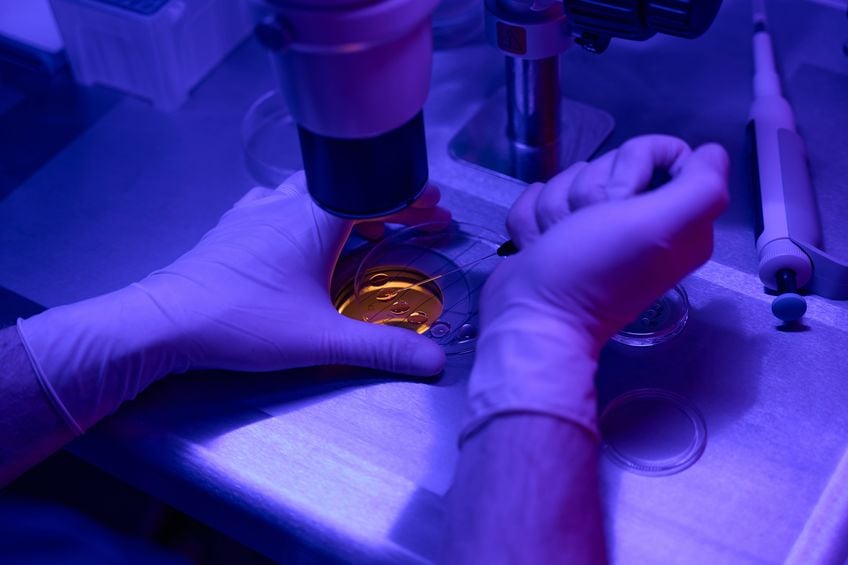
Another critical determinant of implantation success is embryo health. Once eggs are retrieved, laboratory assessment includes grading based on cell number, structure, and developmental timing. Chromosomal status also plays a major role in embryo viability. Preimplantation genetic testing (PGT) can identify embryos with the correct number of chromosomes before transfer. Selection of high-quality embryos improves the likelihood of successful implantation.
Additional influencing factors
While maternal age, egg quality, and embryo health are the main factors contributing to IVF success, other variables can also influence outcomes. Uterine receptivity affects the embryo’s ability to implant and grow. Hormonal balance and endometrial thickness must also be closely monitored during treatment cycles. Sperm quality heavily influences fertilization and embryo development. A comprehensive evaluation before IVF is started ensures that all contributing factors are addressed.
Improving the odds
Maternal age cannot be changed, but certain lifestyle choices can help improve egg quality before starting IVF. Eating a balanced diet with plenty of organic fruits and vegetables, complex carbohydrates, and protein is often recommended. A prenatal vitamin with folic acid can also be started to ensure broad nutrient coverage. Couples planning IVF should steer clear of alcohol and cigarettes and focus on managing stress whenever possible.
Optimizing outcomes and overall outlook
Advances in reproductive medicine continue to improve IVF success rates across diverse patient populations. Personalized treatment protocols allow clinicians to tailor approaches based on individual characteristics. Younger women with high-quality eggs will ultimately see the highest levels of success using IVF. For older patients with lower quality eggs, early evaluation and timely intervention are essential to enhance outcomes. With appropriate care and persistence, many couples achieve successful pregnancies using in vitro fertilization.