
How Can You Prepare Before The Appointment?
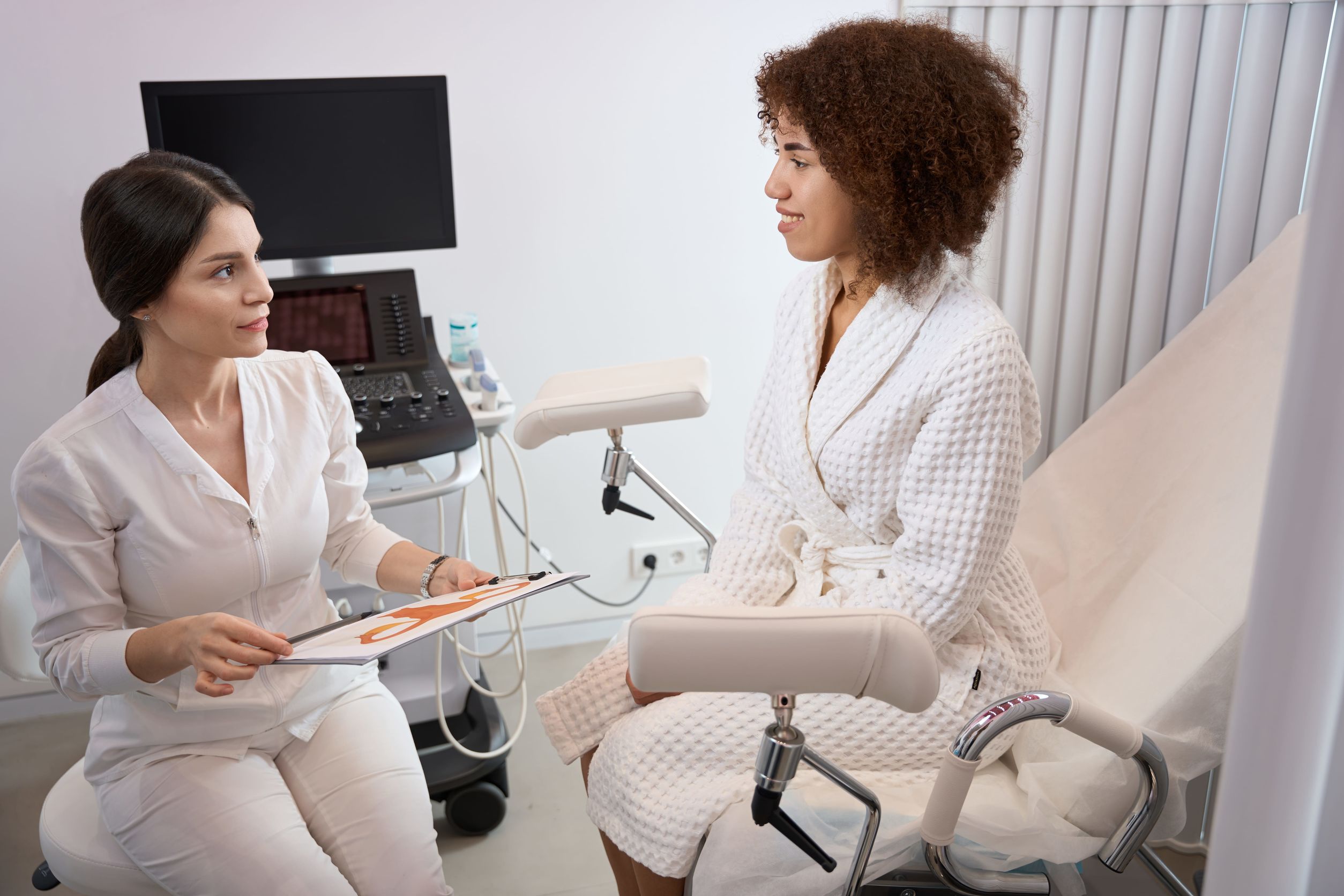
Scheduling a first fertility appointment can bring a mix of emotions. For many women, the appointment comes after months of tracking ovulation, taking pregnancy tests, or wondering why conception has not happened yet. Women may also worry about forgetting an important question once the appointment begins. Arriving with a few questions written down can make the appointment feel less overwhelming and help make sure every concern gets addressed.
What could be affecting my fertility?
Many different factors can affect fertility, and the answer is not always obvious. Age, hormone levels, ovulation, medical conditions, previous pregnancies, and the health of the uterus or fallopian tubes may all play a role. Asking what possible causes seem most likely based on medical history helps put the recommended testing into context instead of feeling like a long list of procedures.
Which tests do I need and why?
Not every woman needs the same fertility evaluation. Blood work may check hormone levels and ovarian reserve, while ultrasound imaging can evaluate the ovaries and uterus. Some women may also need imaging to determine whether the fallopian tubes are open. Asking why each test is being recommended helps make the results easier to understand during future appointments and provides a clearer picture of what each test is designed to uncover.
Should my partner be evaluated?
Fertility is not only a female health issue. Male factor infertility contributes to many infertility cases, which is why fertility specialists often recommend evaluating both partners early in the process. Asking when a partner should complete testing may prevent unnecessary delays and provide a more complete understanding of fertility as a couple.
What happens if results are normal?
Test results that come back normal do not always mean pregnancy cannot happen or that treatment is unnecessary. Sometimes additional testing is recommended, while other situations may lead to treatment options such as ovulation medications, intrauterine insemination (IUI), or in vitro fertilization (IVF). Asking what the next step would be if testing does not reveal a clear cause helps set realistic expectations before results become available.
How will treatment be determined?
Several treatment options may be appropriate for the same diagnosis. Asking why a specific treatment is recommended helps explain how age, medical history, test results, and future pregnancy plans influence the decision. A detailed explanation also gives women more confidence when deciding how to move forward.
What should I know before leaving?
The first fertility appointment usually ends with a plan rather than a diagnosis. In many cases, treatment recommendations depend on test results that are reviewed during a follow-up visit. Before leaving, ask when results are expected, whether another appointment should be scheduled, and how questions can be addressed between visits. Knowing what to expect over the next few weeks can make the waiting feel a little less uncertain.