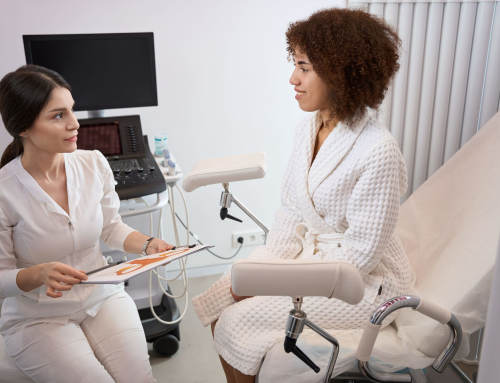
Is Pregnancy After 35 Safe?
According to recent data, the average age at a woman’s first birth in the US was between 25 and 29 years old as recently as 2023. Just a few decades ago, the average age for first-time moms in 1960 was 20. Multiple factors contribute to pregnancy timing. Pursuing degrees, focusing on careers, or simply not being ready for marriage or motherhood are common reasons for delaying pregnancy. Plenty of people are getting pregnant later in life with few to no complications, but the process can get harder with age. A variety of factors influence conception ease and the pregnancy experience. Knowing when to seek professional support with failed natural attempts can clarify fertility options.

What are reproductive years?
The reproductive years are the period in a woman’s life where conception can realistically occur. The range is usually between ages 12-51, covering menstruation onset until menopause. Most experts would agree that getting pregnant too young or too old in life can have adverse impacts. Fertility experts usually narrow that window down to between a woman’s late 20s and early 30s.
Average pregnancy timelines
During this timeline, if no underlying health or fertility issues are present, most women and couples can reasonably expect to conceive within 3 months of actively trying. After 35, the timeline begins to extend to as little as 6 months to a year depending on a person’s exact age. Likewise, while fertility and age are often hyperfocused on women, male fertility is also impacted by age, with sperm quality beginning to significantly decline as a man gets older.
Realistic natural conception timelines
A lot of women and couples can still conceive naturally even after age 35. While fertility does decline, research suggests that the success rate drops by only about 10-15% per cycle. Again, people in this cohort are encouraged to spend more time trying to get pregnant naturally before seeking fertility support. The guidelines recommend 6 months of consistent trying before seeing a specialist. People with known issues such as polycystic ovarian syndrome (PCOS), endometriosis, or even a history of pelvic infections can seek support sooner.
When to seek support
Consistently trying and not getting pregnant is one of the hallmark signs that a person or couple should schedule an appointment with a fertility specialist. While a variety of treatments might be used, one of the most popular solutions is in vitro fertilization (IVF) where the entire conception process is closely monitored and managed externally. One of the key reasons a woman might seek support is that tracking ovulation is difficult. Conception relies heavily on precisely timing intercourse with ovulation, so not being able to properly pinpoint the event will delay pregnancy. Likewise, if pregnancy attempts have resulted in repeated miscarriages, speaking with a fertility specialist is advised.
Fertility relies on men too
Infertility is not just a woman’s issue. Male infertility is usually tied to poor sperm quality and quantity. In the US, male-factor infertility is the sole cause of not getting pregnant for nearly a third of all infertility cases. The most common causes are poor sperm motility, deformities, and even DNA abnormalities, which either result in an embryo not being formed, implantation not occurring, or even early miscarriage.
Getting help to conceive
Fertility specialists can’t guarantee pregnancies, but these experts can help to identify potential issues and create solutions that can correct for those problems. From treatments like IVF to even supporting hormonal regulation to help women or couples conceive naturally, the goal is to uncover the problems that might find an answer.