
Is Pregnancy Even Possible?
Hearing that a single or both fallopian tubes are blocked can feel overwhelming, especially after months of trying to conceive. Although blocked fallopian tubes can make pregnancy more difficult, the diagnosis does not always mean pregnancy is out of reach. Some people are still able to conceive naturally, while others benefit from surgery or fertility treatment. The location and severity of the blockage help determine which treatment options are most appropriate.
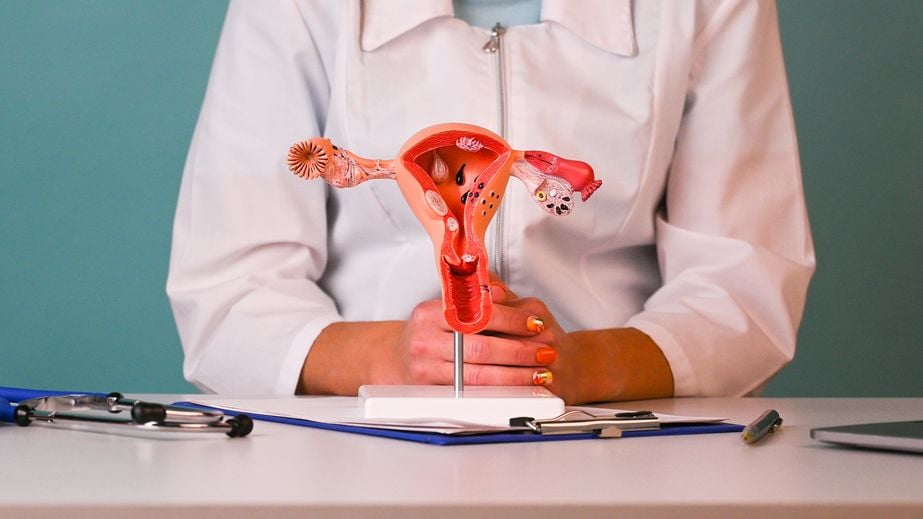
How blockages affect pregnancy
The fallopian tubes play an important role in conception. After ovulation, the egg travels into the fallopian tube, where fertilization normally takes place before the embryo moves into the uterus. A blockage can prevent the egg and sperm from meeting or stop a fertilized egg from reaching the uterus. Whether a single tube or both tubes are affected also influences the chances of pregnancy.
Finding the underlying cause
Many people with blocked fallopian tubes never notice symptoms. The condition is often discovered during fertility testing after pregnancy does not happen as expected. A hysterosalpingogram (HSG) is commonly used to see whether the fallopian tubes are open, while other tests help evaluate the uterus, ovaries, hormone levels, and overall reproductive health.
What causes a blockage?
Fallopian tubes can become blocked for several reasons. Previous pelvic infections, endometriosis, scar tissue from abdominal or pelvic surgery, and certain sexually transmitted infections may all contribute to a blockage. Some people also develop blocked tubes after an ectopic pregnancy or inflammation within the pelvis. In other cases, no clear cause is identified until fertility testing is performed.
Can the blockage be fixed?
Not every blocked fallopian tube requires the same treatment. Some blockages caused by scar tissue or minor obstructions may be treated with minimally invasive procedures or surgery. Other tubes may be too damaged to function normally, even if the blockage is reopened. Treatment decisions take into account the condition of the tube as well as age, fertility history, and overall reproductive health.
When IVF is recommended
In some situations, in vitro fertilization (IVF) offers the highest chance of pregnancy. Because fertilization happens outside the body, IVF bypasses the fallopian tubes entirely before the embryo is transferred into the uterus. IVF is often recommended when both tubes are severely damaged, blocked, or affected by conditions such as hydrosalpinx that reduce the likelihood of a healthy pregnancy.
Building the right plan
A blocked fallopian tube does not always tell the whole story. Age, ovarian reserve, sperm quality, and other reproductive health factors all play a role in determining the most appropriate treatment. The factors may also influence the likelihood of success with different fertility treatments. Considering everything together helps physicians recommend an approach that fits each situation.