
Your Options With Diminished Reserve
As women age, egg supply naturally declines. Sometimes this happens prematurely due to genetics or unknown reasons. Diminished ovarian reserve (DOR) describes a reduced number of remaining eggs within the ovaries. This diagnosis often appears during fertility evaluations or routine testing. Treatment for DOR depends on hormone levels, ultrasound results, and reproductive goals. Understanding available options supports informed fertility planning.
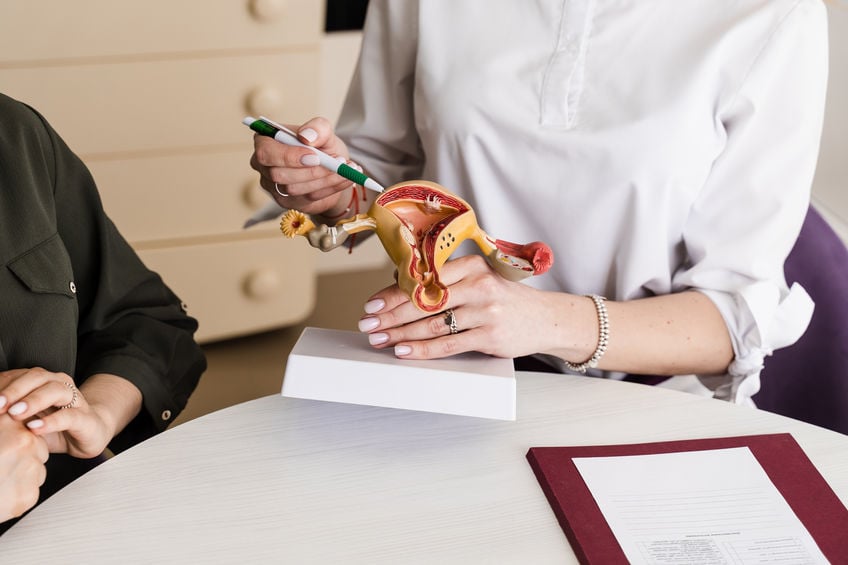
Understanding DOR
Diminished ovarian reserve is most commonly a reflection of a woman’s age. Fertility starts to decline around age 30, becoming more marked in the mid-30s, and by age 40, most women will experience a reduced ability to get pregnant. Sometimes, women can experience premature ovarian failure, which is when the ovaries stop functioning normally before 40 years of age. This is often due to genetic factors, autoimmune diseases, environmental factors, or treatments such as chemotherapy and radiation therapy. Most women with DOR will experience no symptoms, but some individuals may experience a shorter cycle. Having a diminished ovarian reserve means pregnancy is more challenging, but not impossible.
Quality and quantity
Women with diminished ovarian reserve have fewer oocytes, but egg quality can also be an issue. To determine how fertility is affected, a healthcare provider will order different tests to evaluate ovarian reserve. Bloodwork to assess Anti-Müllerian hormone (AMH) and an ultrasound to perform antral follicle counts (AFC) are essential first steps. Test results indicate potential response to fertility stimulation, helping guide next steps. Egg quality is often difficult to determine early on, but follicle-stimulating hormone (FSH) is sometimes included in bloodwork to provide a more comprehensive picture. Early evaluation supports timely treatment decisions.
The IUI option
Intrauterine insemination (IUI) is often a good first step for women with DOR who are having trouble getting pregnant. With IUI, a sperm sample is cleaned and concentrated and then inserted directly into the uterus when ovulation is expected to occur. Lower reserve limits the number of eggs released during a treatment cycle, but for many women, IUI is successful.
The role of medication
Fertility medication stimulates follicle development before IUI, helping increase the chances of success. Oral or injectable agents encourage ovulation of available eggs. Response varies widely among individuals with reduced reserve, but medication can help improve timing and egg release. If IUI with medication fails, more advanced treatment may be needed.
When IVF is best
Women who are older, have not had success with IUI, or are eager to have a baby as soon as possible may choose to move directly to in vitro fertilization (IVF) to achieve a pregnancy. With IVF, medications are used to stimulate multiple eggs to develop during a single cycle. An egg retrieval is then scheduled at the optimal time. Eggs are combined with sperm in a lab to create embryos. During this process, additional monitoring or testing can provide further insight into egg quality, allowing medical professionals to select the best option for transfer into the uterus. IVF offers higher per-cycle success rates in cases of diminished ovarian reserve.
Choosing next steps
Fertility planning benefits from individualized medical guidance. Test results, age, and treatment response all shape recommendations. In some situations, IUI may be an appropriate first step. The addition of medications can increase the chances of success. For many women, IVF is the answer when facing diminished reserve. Proactive decision-making supports better outcomes.