
Does Endometriosis Affect Conception Chances?
A diagnosis of endometriosis can negatively affect fertility in several ways. The condition may lower the likelihood of pregnancy and increase the time required to become pregnant. However, many women are still able to successfully conceive despite having endometriosis. Individual outcomes vary based on severity, age, and overall reproductive health. Early evaluation and a personalized plan can improve success rates and provide a clearer path forward.
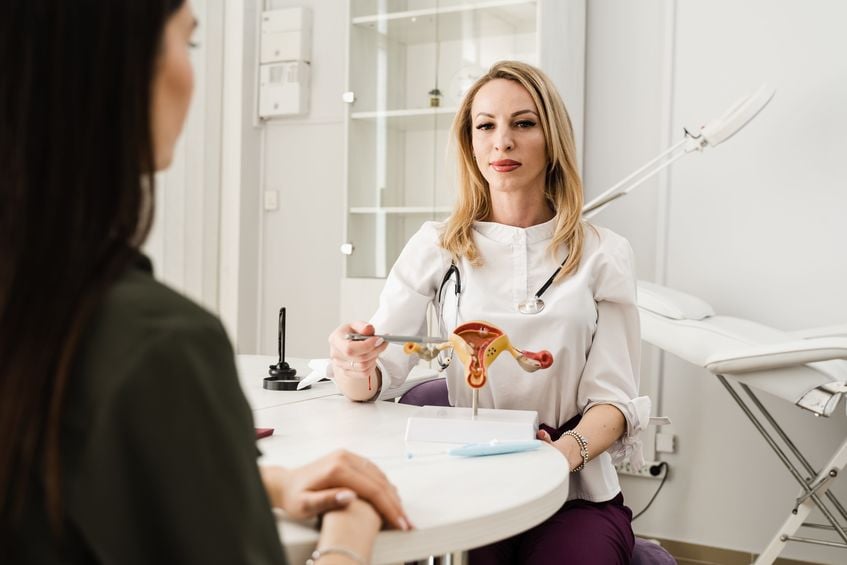
What is endometriosis?
Affecting approximately 1 in 10 women of reproductive age, endometriosis is a condition where tissue that is similar to the uterine lining grows outside the uterus. Common locations include the ovaries, fallopian tubes, and pelvic lining, where inflammation and scarring can develop. Symptoms often include painful periods, chronic pelvic pain, pain with intercourse, and heavy bleeding. Less commonly, women may experience fatigue, diarrhea, constipation, bloating, or nausea. Some women may have no symptoms at all, which can delay diagnosis.
The endo-infertility connection
Research shows that about 30-50% of women with endometriosis have trouble getting pregnant. Inflammation within the pelvis can interfere with normal reproductive processes. Scar tissue may distort anatomy or block the fallopian tubes, preventing the egg and sperm from meeting and creating an embryo. Ovarian cysts, known as endometriomas, can affect egg quality and reduce ovarian reserve. Hormonal and immune disruptions may also impair embryo implantation. Even mild cases of endometriosis can reduce overall pregnancy rates.
Improving chances with treatment
Management strategies depend on symptom severity, age, and reproductive goals. Surgical removal of endometriosis lesions may improve fertility in select cases. Medications can relieve pain but are not typically used to enhance conception chances. Hormone therapy can help treat endometriosis, but generally needs to be stopped before pregnancy is attempted. Lifestyle factors such as adopting an anti-inflammatory diet, exercising, and managing stress may support overall health. Individualized care plans are essential for optimizing outcomes.
Success with IUI and IVF
Fertility treatments can significantly increase the likelihood of pregnancy among women with endometriosis. Intrauterine insemination (IUI) may be effective in mild cases, particularly when combined with ovulation induction. In vitro fertilization (IVF) is often recommended for women with moderate to severe endometriosis or after unsuccessful attempts with other methods. Women who are advanced maternal age (AMA) with endometriosis are also typically advised to proceed to IVF if pregnancy is desired. In vitro fertilization bypasses many barriers caused by endometriosis, allowing many patients to achieve a successful pregnancy.
A clearer path to conception
Challenges related to endometriosis can feel overwhelming, but effective options are available. Early diagnosis and appropriate treatment can shorten the time to pregnancy. Advances in fertility care continue to improve outcomes for affected women. With the right approach, successful conception is possible, despite having a diagnosis of endometriosis.