A Prescription For Endometriosis
Affecting approximately 10% of reproductive-age women, endometriosis is a condition characterized by chronic pelvic discomfort, heavy menstrual flow, and fertility challenges. The condition occurs when endometrial-like tissue grows outside the uterus, leading to inflammation. Medication can help reduce inflammation, improve symptoms, and support fertility outcomes for individuals facing this condition. Treatment pathways vary based on symptom severity, reproductive timelines, and earlier therapeutic responses. Understanding the available medications for endometriosis allows women to make an informed treatment decision.
A painful condition
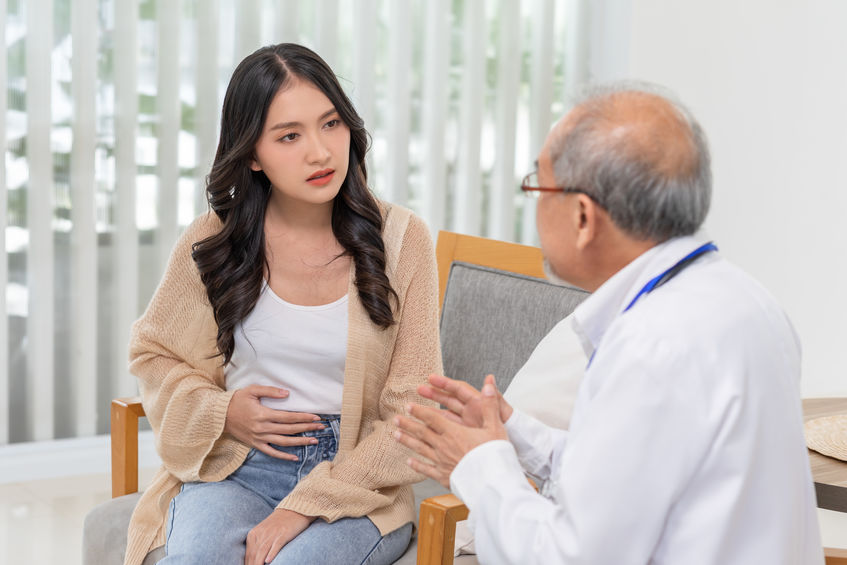
Endometriosis is a condition where tissue that is similar to the uterine lining grows outside the uterus, often affecting the ovaries and fallopian tubes. The most common symptom of endometriosis is pelvic pain. Pain often occurs during the menstrual cycle, but can also happen with sex, bowel movements, or urination. Some women will also experience heavy periods or bleeding in between periods. Nausea, fatigue, diarrhea, and bloating occur less frequently. Inflammation and scar tissue can result in blocked fallopian tubes, causing infertility.
Medication overview
Women with endometriosis who don’t want to get pregnant can take birth control to control symptoms. Hormonal birth control prevents ovulation and reduces estrogen levels, thereby slowing down the growth of endometrial-like tissues. Consistent use can result in shorter, lighter periods, reduced inflammation, decreased tissue growth, and lower pain levels. Many specialists recommend hormonal regulation as a first step before considering advanced strategies, such as surgery or fertility treatment, to get pregnant.
Fertility-supporting medication
An estimated 20-3-0% of women with endometriosis will experience infertility. When natural conception doesn’t work, many turn to medication for assistance. Ovulation induction medications are often prescribed to encourage multiple follicles to develop during a treatment cycle. Stimulation can be combined with intrauterine insemination (IUI), where a concentrated sperm sample is inserted at a precise time in the cycle, to increase the chances of pregnancy.
Treating pain
Nonsteroidal anti-inflammatory drugs (NSAIDs) reduce prostaglandin activity that increases pelvic discomfort during symptomatic days. Lower inflammation supports more consistent daily comfort throughout each cycle. Heat packs or a hot water bottle are another easy intervention that can offer targeted relief. Women who are not suffering from endometriosis pain can focus on exercise and other healthy habits, which can help boost future fertility. Short-term pain control often helps individuals pursue long-term reproductive goals with greater ease.
Inducing temporary menopause
Gonadotropin-Releasing Hormone (GnRH) agonists temporarily quiet ovarian hormone production to create a short-term menopause-like state that reduces stimulation of endometrial tissue. Lower estrogen levels can shrink lesions, decrease inflammation, and ease chronic pelvic discomfort. This approach often provides meaningful symptom relief for individuals with moderate or severe endometriosis who do not desire pregnancy. Treatment courses are typically limited due to potential side effects, such as hot flashes or changes in bone density.
Unlocking pregnancy potential
Endometriosis can be a frustrating, lifelong condition for many women, but medication can help. Targeted interventions can reduce inflammation, balance reproductive hormones, and lower pain. Fertility medication can be used to increase the chances of conception in women desiring pregnancy. Consultation with a healthcare provider supports personalized planning for each stage of care. With the right combination of medications, fertility issues can be a concern of the past.