
How Does Egg Supply Influence IVF Success?
Ovarian reserve plays a key role in determining how the body responds to in vitro fertilization (IVF) treatment. The term ovarian reserve refers to both the quantity and quality of the eggs remaining in the ovaries at a given time. A higher ovarian reserve often leads to a stronger response during stimulation, resulting in more eggs retrieved. Lower ovarian reserve can result in a more limited response to IVF medication and fewer eggs retrieved. Understanding the connection between ovarian reserve and IVF response helps guide treatment plans and sets realistic expectations.
Understanding ovarian reserve
A woman is born with a set number of eggs, which decline over time. For some women, the decline occurs as expected, with fertility naturally falling off in the 40s, while others can experience diminished ovarian reserve (DOR) sooner in life. Ovarian reserve is a measure of both the number of eggs and the quality of the remaining eggs. Different factors can affect quality and quantity, including age, lifestyle habits, medical conditions, and certain environmental factors.
Evaluating AMH, AFC, and FSH
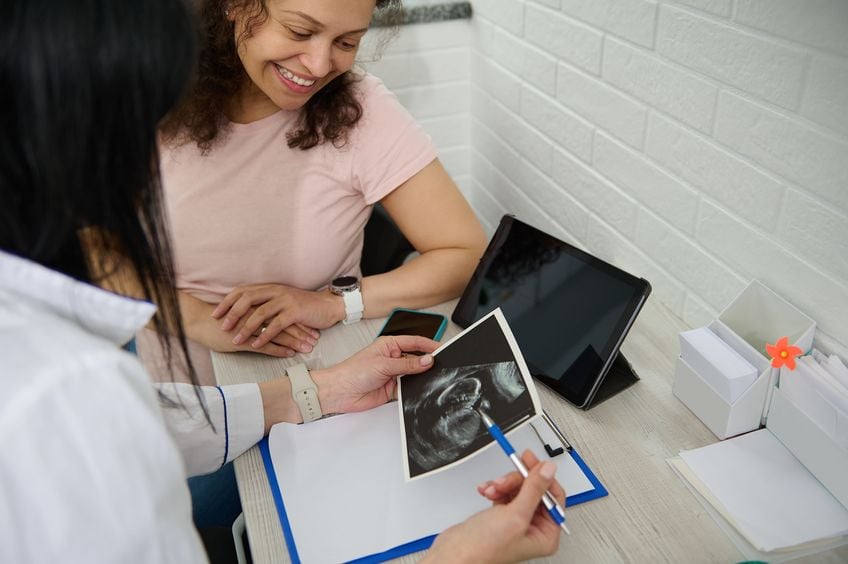
To assess ovarian reserve, a doctor will order an ultrasound to measure antral follicle count (AFC) and bloodwork to check anti-Mullerian hormone (AMH) and follicle-stimulating hormone (FSH) levels. An AMH level of 1.0-3.0 is considered normal, while results under 1.0 are low. For FSH, levels under 10mIU per 1mL are normal, with anything higher indicating a possible concern. A good antral follicle count is 10-20, while counts under 10 are a concern. These results help fertility specialists estimate how the ovaries may respond during IVF treatment.
How reserve affects response
Ovarian reserve directly impacts how the ovaries respond to stimulation medications. Women with a higher reserve typically have more follicles and produce more eggs. A lower reserve may result in fewer developing follicles during a treatment cycle. Medication protocols may be adjusted based on ovarian reserve data to help optimize outcomes.
Strategies to improve outcomes
Treatment strategies can be adjusted based on ovarian reserve findings. Higher medication doses may be used to encourage follicle development in women with lower ovarian reserve. Mild stimulation protocols, which use lower medication doses to improve egg quality in low responders, may be recommended for certain patients. Dual stimulation, which involves stimulating the ovaries twice in 1 cycle to maximize yield, is another option. Supplements such as coenzyme Q10 (CoQ10) and dehydroepiandrosterone (DHEA) may be recommended by a healthcare provider to improve egg quality. Quitting smoking, avoiding environmental toxins, and reducing stress are other helpful ideas when ovarian reserve is low.
Low reserve isn’t the end of the road
Ovarian reserve and IVF response are closely connected. AFC, AMH, and FSH testing before an IVF cycle can provide valuable insight into how the body may respond to stimulation. Personalized protocols help address low egg quantity and quality. Despite a diminished ovarian reserve, many women can go on to start or grow a family with IVF treatment.