
Nutritional Choices To Improve Fertility
Food choices influence the body’s ability to support conception and hormonal regulation. Certain nutrients help protect developing eggs, promote ovulation, and stabilize hormonal cycles. A diet rich in whole foods and low in added sugars and processed ingredients can be beneficial when trying to conceive. While no diet guarantees pregnancy, the right combination of nutrients can support overall reproductive wellness. Especially during fertility treatment, such as in vitro fertilization (IVF), good nutrition becomes an essential first step to take charge of conception.
Focus on antioxidant-rich foods
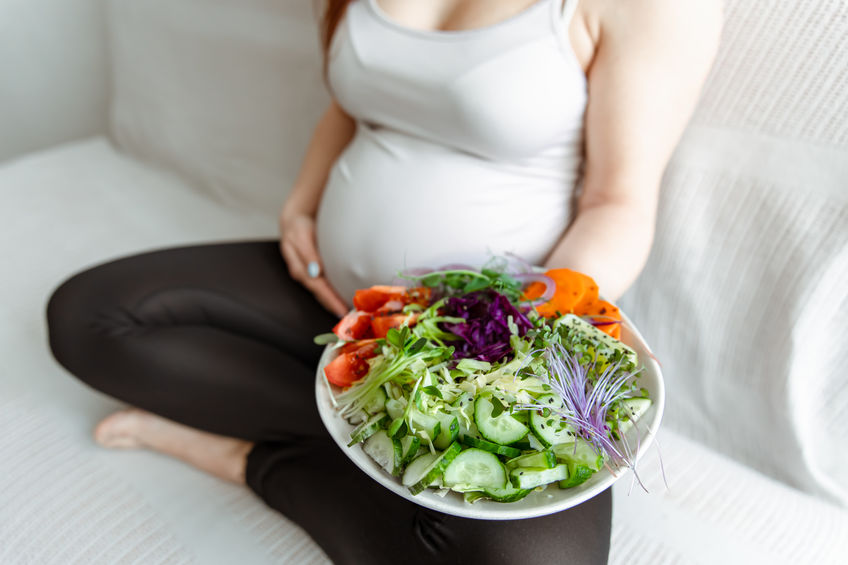
Chronic oxidative stress can damage cells, including eggs, and disrupt ovarian function. Antioxidants counteract this damage by neutralizing free radicals in the body. Berries, leafy greens, citrus, nuts, and seeds all deliver high levels of vitamins C and E, beta-carotene, and selenium. These nutrients support follicular development and cellular repair. Replacing fried foods and refined snacks with colorful fruits and vegetables can help individuals increase antioxidant intake. When antioxidant-rich foods are paired with healthy fats, such as olive oil, the absorption of nutrients is enhanced.
Add plant-based proteins
Animal proteins often contain saturated fats and inflammatory compounds that may disrupt hormone production. Swapping a few meat-based meals for legumes, lentils, tofu, and quinoa helps improve hormone balance. Plant proteins are also high in fiber, which supports estrogen regulation by aiding in the elimination of excess hormones. A mix of beans, nuts, and whole grains provides steady energy and amino acids needed for egg cell development. Balanced portions of plant-based meals can also help with insulin sensitivity.
Choose healthy fats daily
Hormones rely on fat to form and function properly. Omega-3 fatty acids found in walnuts, flaxseed, chia, and cold-water fish like salmon reduce inflammation and improve blood flow to reproductive organs. If omega-3 fatty acids are lacking in the diet, a supplement may be advised. Monounsaturated fats in avocados and olive oil also help regulate the menstrual cycle. Limiting trans fats found in packaged snacks and fast food is critical.
Limit refined sugar and carbs
High blood sugar can disrupt hormones, including insulin and androgens. This imbalance may interfere with ovulation and egg maturation. Limiting white bread, sugary drinks, and processed snacks helps stabilize blood glucose. Opting for whole grains, sweet potatoes, and high-fiber fruits like apples or berries supports sustained energy and hormone rhythm. Reducing sugar also reduces inflammation, which can improve outcomes in women managing polycystic ovary syndrome (PCOS), a common hormonal disorder.
Support with supplements if needed
Even with a balanced diet, fertility-focused supplements may help bridge nutritional gaps. Folic acid, vitamin D, coenzyme Q10 (CoQ10), and inositol are often used to support egg health and hormone function. A prenatal vitamin with key nutrients provides foundational support during fertility treatment or while trying to conceive. Blood testing can help identify deficiencies and guide supplement needs. Always consult a healthcare provider before starting any new supplement.
Fueling fertility from the inside out
Nutrition provides the foundation for healthy eggs, balanced hormones, and a well-functioning reproductive system. A fertility-friendly diet emphasizes whole foods, steady energy, and anti-inflammatory ingredients. Supporting the body with key nutrients helps prepare for conception naturally or alongside assisted reproductive technologies (ART) like IVF. Each bite becomes part of a larger picture of reproductive health.