
Preserving Fertility Despite Failure
Premature ovarian failure (POF) can create unexpected challenges for women hoping to conceive a child. Although pregnancy with a diagnosis of POF isn’t impossible, natural conception is much more difficult, and many women require targeted interventions to have a baby. Advances in reproductive medicine now allow eggs or embryos to be preserved through cryopreservation, offering flexibility and hope for future family planning. Understanding both POF and fertility preservation options can help women make informed decisions.
Understanding POF
Premature ovarian failure, also known as primary ovarian insufficiency (POI), occurs when the ovaries stop functioning before age 40. Approximately 1 in 100 women experience this condition, which can significantly reduce fertility. Common symptoms include irregular or absent menstrual cycles, hot flashes, night sweats, and vaginal dryness. POF may result from genetic factors, autoimmune conditions, medical treatments such as chemotherapy, or unknown causes. Early diagnosis allows women to explore fertility preservation strategies before ovarian function declines further.
Can medication help?
Hormonal therapy can help manage symptoms and support reproductive health in women with POF. Estrogen and progesterone replacements often restore menstrual cycles and improve bone density, vaginal health, and overall well-being. In some cases, medications that stimulate the ovaries, such as follicle-stimulating hormone (FSH), can help promote egg development, though responses vary among patients. Careful monitoring by a fertility specialist ensures medication choices align with individual health needs and fertility goals.
Eggs on ice
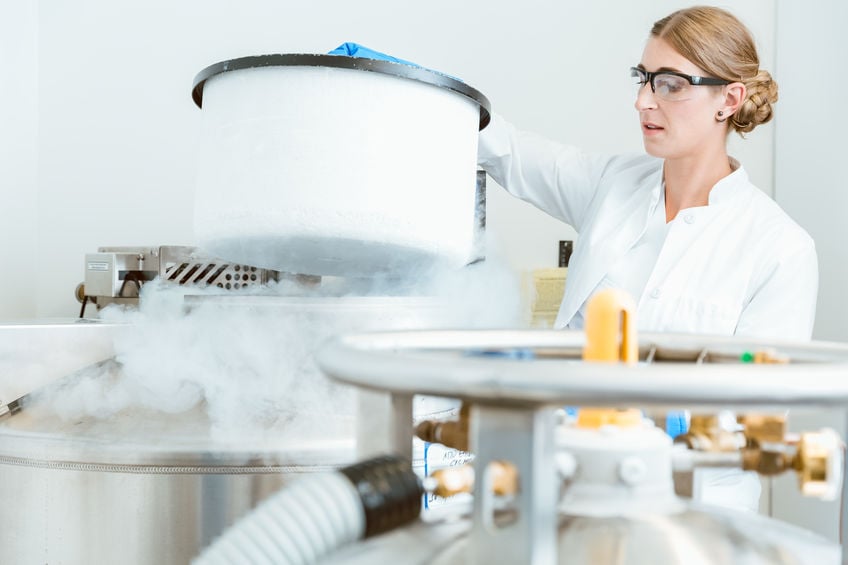
Cryopreservation involves freezing eggs or embryos at extremely low temperatures to preserve reproductive potential. The process begins with ovulatory stimulation medication to promote the development of multiple mature eggs during a single cycle. Ultrasound monitoring and bloodwork allow for any medication adjustments and help confirm optimal follicle development. Once mature, eggs are retrieved and either frozen or fertilized with sperm before freezing as embryos. Laboratory techniques maintain cellular integrity, so the eggs or embryos remain viable for months or even years after cryopreservation.
Using frozen eggs or embryos
After cryopreservation is complete, women can decide whether to use the eggs or embryos immediately or store the specimen for future use. For women interested in immediate use, frozen embryos can be transferred to the uterus as soon as the patient is ready. This option is ideal for women who are older or eager to get pregnant right away. In other cases, women may prefer to store the eggs for a period before transfer. This is often the case in women who are managing health concerns, such as cancer. Single women may also prefer to wait for a male partner who is interested in creating an embryo instead of opting for donor sperm. Whether transferring immediately or years from now, storage offers flexibility and reduces stress.
Preserving hope for the future
Embryo cryopreservation provides women with POF the opportunity to expand family planning options. With frozen specimens available, there is no need to feel rushed into pregnancy. Storage of eggs or embryos offers flexibility and reassurance for women navigating uncertain fertility challenges. Empowered by knowledge and advanced reproductive technology (ART), women with POF can take meaningful steps toward achieving parenthood.