
Diving Into The IVF Process
Wanting to start or expand a family is a big deal for so many people. However, a variety of factors can complicate conception. From polycystic ovarian syndrome (PCOS) to physical issues in both men and women, naturally conceiving might not be easy. Thankfully, in vitro fertilization (IVF) is one of the most successful assisted reproductive technologies (ART) available to individuals struggling to get pregnant. As popular as IVF is, the total process may not be well understood. Here’s what potential participants should know about the experience and how integral hormones are to the process.
What is IVF?
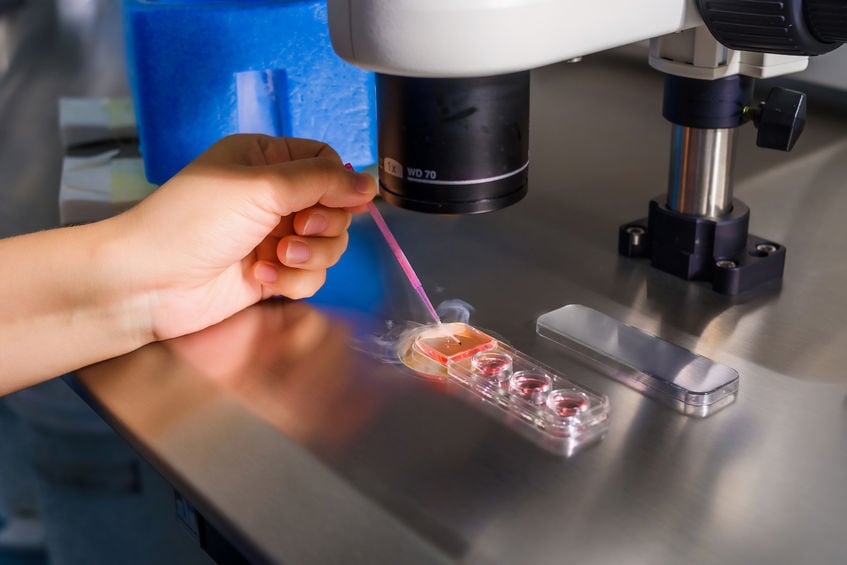
IVF is a form of artificial insemination. The process involves fertilizing an egg outside of the body in a sterile laboratory environment. IVF has some of the highest success rates compared to other fertility treatments. However, the process is quite expensive and tends to take 3-5 weeks to complete. While other fertility treatments are available, IVF is often the best option for women who have difficulty ovulating, have known poor ovarian reserve, or for couples with unexplained infertility. The treatment is categorized into stages, which is why the process takes several weeks.
Starting IVF
Before beginning IVF, prospective individuals will be given a physical to screen for any known factors that might influence success rates. During this time, issues such as ovarian reserve and sperm quality will be tested. If any problems are detected, participants may be encouraged to use donor eggs or sperm to boost success probabilities. Once testing is completed, an IVF round can begin with the next step, usually involving ovarian stimulation.
Hormones and ovarian stimulation
One of the most critical and lengthy preliminary steps during IVF is ovarian stimulation. The process involves a fertility specialist prescribing hormones to a woman to boost egg production. Usually, the step is timed with a woman’s natural menstrual cycle so that the medications begin just after a period. However, for women who struggle to track ovulation or suffer from amenorrhea, hormonal birth control medications may be prescribed before IVF to help regulate and accurately track the cycle. Once the treatments begin, the most common hormones prescribed for ovulation stimulation include follicle-stimulating hormone (FSH) and human chorionic gonadotropin (hCG).
What risks exist?
No medical procedure is completely risk-free, and IVF is no different. Usually, the most likely concern is ovarian hyperstimulation syndrome (OHSS). Although rare, the marked increase in hormones can cause the ovaries to swell and become painful. In severe cases, dangerous side effects like blood clots or ovarian ruptures may occur. However, most IVF participants don’t experience OHSS. What is more common is simply the mood swings, bloating, and general discomfort that often come with ovarian stimulation. Thankfully, the process is usually limited to the two-week window between menses and ovulation, as hormones are usually stopped once egg retrieval occurs. Still, some people may need to continue hormones through embryo transfer and as long as 8-10 weeks into pregnancy.
Take control of family planning
In IVF, hormones play a critical role, especially if a woman isn’t planning on using donor eggs. Stabilizing an irregular period and boosting egg production are the two main steps where hormones play an integral role. However, these building blocks are essential throughout the pregnancy as well. For individuals curious about the IVF process and what to expect, consider speaking with a fertility specialist.