
Navigating IVF With Confidence
In vitro fertilization (IVF) involves several coordinated phases that guide patients from baseline testing to embryo transfer. A clear outline of major milestones helps women know what to expect at every step of the process. Understanding each stage of IVF reduces uncertainty and promotes a calm, informed mindset. Before starting IVF, dive into the details to know exactly what will happen. In the fertility world, information is power.
The initial consultation
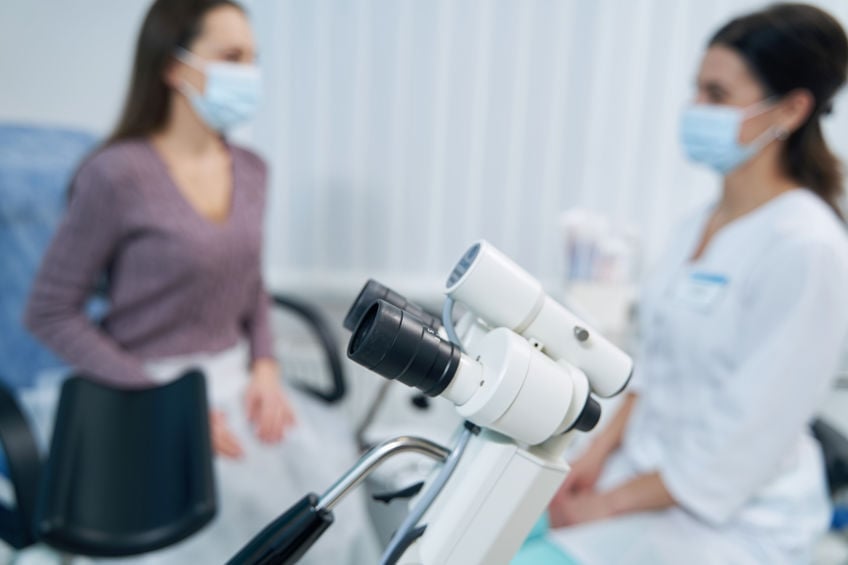
Once a woman or couple decides to move forward with IVF, the process begins with a comprehensive evaluation. The fertility doctor will review the patient’s reproductive history and discuss fertility goals. Next, an ultrasound and blood work will be ordered to help identify possible issues interfering with conception, and to determine a baseline from which a tailored treatment plan can be created. A semen analysis provides additional insights into the male partner’s reproductive potential. Genetic screening may be recommended before beginning treatment, depending on family history. A thorough initial consultation involving both partners allows the healthcare team to create a personalized and effective IVF plan.
Medication and monitoring phase
During the IVF cycle, patients are given ovarian stimulants to encourage multiple follicles to mature during a single cycle. Regular ultrasound imaging is used to track follicle growth. Once the follicles reach an optimal stage, a trigger shot is given. This injection, which mimics the body’s natural luteinizing hormone (LH) surge, induces the final maturation of the eggs. During the monitoring phase, patients are typically seen every few days to track follicle development, so prepare to spend a lot of time at the fertility clinic.
Egg retrieval and fertilization
Once the follicles have reached maturation, an egg retrieval is performed as a brief outpatient procedure. In most cases, light sedation is used for comfort and safety. A specialized needle collects mature eggs from stimulated follicles under the clinical team’s careful attention. Retrieved eggs are combined with sperm in the laboratory to create embryos. The embryologist then monitors the embryos to assess cell division and embryo development. If preimplantation genetic testing (PGT) has been requested, a few cells are removed from the embryos at this stage to perform testing.
Time to transfer
Once the embryos are developed, the strongest contender is selected for transfer. A thin catheter delivers the embryo into the uterus during a quick, gentle procedure. Supporting medications help create a favorable environment for implantation during the days following transfer. After transfer, patients enter a waiting period. Approximately 2 weeks after the transfer, a pregnancy test is performed to determine if conception occurred.
Meeting pregnancy goals
A complete IVF cycle includes multiple coordinated steps that work together to maximize the potential for pregnancy. From the initial consultation to the final pregnancy test, knowing exactly what to expect can make the process smoother and more enjoyable. Focusing on healthy eating, sufficient sleep, and stress reduction during the treatment cycle is essential. IVF requires numerous appointments and tests, but many couples ultimately see success with the procedure.