Getting Pregnant With PCOS
Polycystic ovarian syndrome (PCOS) is a condition caused by hormonal imbalance. In women, the metabolism and the reproductive system are most likely to be affected. PCOS can lead to irregular periods, which makes tracking ovulation difficult. Since knowing the precise ovulation window is critical to conceiving, many women with PCOS struggle to get pregnant. The following health tips can increase the likelihood of a positive pregnancy test result.

1. Maintain a healthy weight
Although weight alone isn’t the sole reason a woman might struggle with getting pregnant, being underweight or overweight can be an issue. Focusing on a healthy diet and staying active are 2 effective ways to achieve an ideal weight during the reproductive years. Focus on a balanced diet that prioritizes whole foods over processed options and limits unhealthy fats and added sugars. Meanwhile, experts recommend that adults aim for at least 150 minutes of activity per week. Translated to a daily goal, try to get 30 minutes of exercise for 5 days a week.
2. Avoid harmful substances
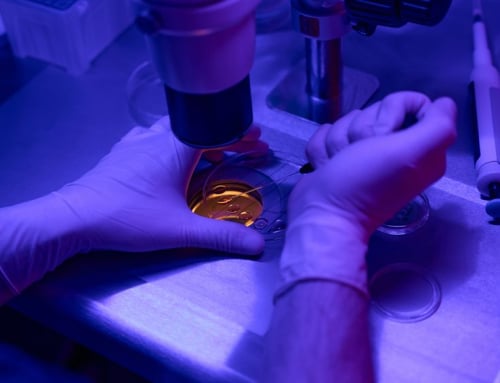
Most people know that smoking and pregnancy don’t mix. Women who are trying to get pregnant should stop smoking or using tobacco products. Likewise, reducing alcohol consumption is also important. Research has shown that consuming alcohol while undergoing fertility treatments like in vitro fertilization (IVF) can reduce overall success rates. Even though having PCOS doesn’t mean that a woman must undergo IVF, the fertility treatment is a popular option since the process can regulate ovulation to improve accuracy. Finally, don’t forget that caffeine can also influence conception by potentially disrupting the implantation process. Although cutting out coffee entirely isn’t necessary, staying under recommended caffeine limits is wise.
3. Focus on nutrients
Opting for a more nutritious diet means paying attention to the actual nutrient content of the foods being consumed. Even with the healthiest of diets, many people can’t meet the recommended amounts of vitamins and minerals. Consider incorporating supplements. A good prenatal vitamin can do wonders for rounding out a healthy diet and even boosting folic acid, calcium, iron, and docosahexaenoic acid (DHA), which are critical during pregnancy. Sufficient nutrients don’t just help mom but are essential for ensuring that the baby develops properly.
PCOS doesn’t always mean infertility
A diagnosis of PCOS can make conceiving a little harder. Women may struggle with accurately timing intercourse to overlap with ovulation. However, working with a fertility specialist can provide an effective solution. Birth control can help regulate the menstrual cycle and make tracking ovulation easier. If conception doesn’t occur after consistent trying, a woman can try intrauterine insemination (IUI) or IVF, which has been proven successful in many cases. Women with PCOS can increase the chances of success by maintaining a healthy weight, focusing on a balanced diet, and avoiding harmful substances while trying to conceive.