Baby Steps To Having A Baby
In vitro fertilization (IVF) offers new hope to individuals and couples seeking to grow a family, combining modern science with personalized care every step of the way. Understanding each phase of the IVF process can ease anxiety and set clear expectations during this emotional and exciting journey. From the initial consultation to discuss fertility goals to the much-anticipated embryo transfer, each stage plays a crucial role in supporting the dream of parenthood.
The initial consultation
Every IVF journey begins with a thorough consultation designed to assess medical history, discuss fertility goals, and recommend the best course of action. Specialists often perform blood tests, ultrasounds, and semen analyses during this visit to gather essential information. This step allows fertility teams to create individualized treatment plans tailored to specific needs. Patients typically leave the consultation with a clearer understanding of timelines, medication schedules, and upcoming procedures. Early communication and transparency establish a strong foundation for the path ahead.
Preparing the body for stimulation
After the consultation, preparation for ovarian stimulation begins, focusing on optimizing hormone levels and overall health. Physicians prescribe birth control pills or other medications to regulate cycles and synchronize follicle development. During this stage, many patients also meet with nurses to review injectable medication techniques and for monitoring appointments. Preparing the body carefully helps maximize the number of healthy eggs retrieved later. Attention to detail during this phase often influences the overall success of the treatment.
Stimulating and monitoring
Ovarian stimulation is a critical phase involving daily hormone injections that encourage multiple egg follicles to mature simultaneously. Fertility clinics closely monitor progress through blood tests and ultrasounds several times per week. Based on how the ovaries respond, medication doses are adjusted. Once follicles reach the desired size, a final trigger shot injection prepares the eggs for retrieval. Frequent monitoring may feel demanding, but the process ensures precise timing and optimal conditions for egg collection.
Retrieving eggs to create embryos
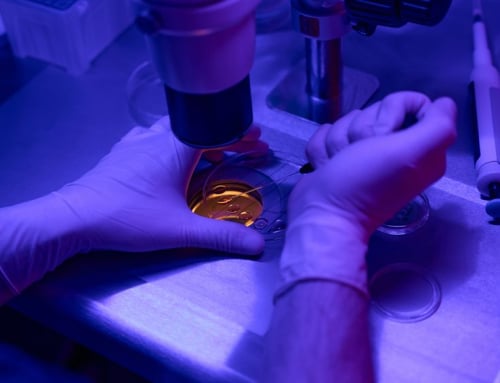
Egg retrieval typically occurs 36 hours after the trigger shot under light anesthesia or sedation. Using a thin needle guided by ultrasound, a doctor will collect the mature eggs from the ovaries. Embryologists then fertilize the eggs with sperm in a controlled laboratory environment. In some cases, intracytoplasmic sperm injection (ICSI) is used to enhance fertilization. After fertilization, embryos grow in specialized incubators where progress is carefully observed. Strong embryos are selected for transfer based on quality assessments made by the laboratory team.
Embryo transfer time
The embryo transfer marks a significant moment in the IVF process, often performed 3 to 5 days after retrieval. A thin catheter is used to place a high-quality embryo into the uterus during a brief, gentle procedure that typically requires no anesthesia. Patients then wait about 2 weeks before getting bloodwork to confirm pregnancy at the fertility clinic. Rest, support, and self-care are encouraged during this time to promote emotional well-being.
Step-by-step
Understanding the complete IVF journey from consultation to embryo transfer offers reassurance and clarity during a complex process. Each carefully planned phase, from the initial consultation through preparation and stimulation to egg retrieval and embryo transfer, plays a pivotal role in the pursuit of parenthood. With the support of an experienced fertility team and a step-by-step approach, many individuals and couples find renewed optimism in building a family.