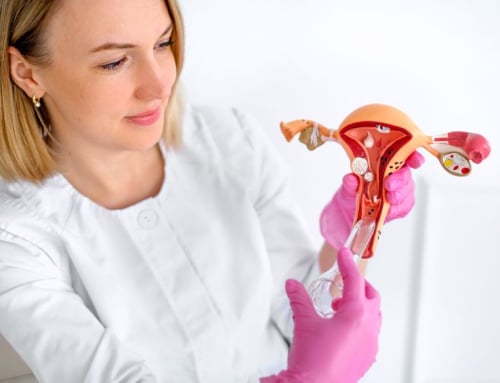
New Beginnings With IVF
Infertility affects about 10% of couples in the US, leading to emotional strain, uncertainty, and frustration. Many individuals explore assisted reproductive technology (ART) to overcome structural challenges, hormonal imbalances, or unexplained barriers that hinder natural attempts at conception. In vitro fertilization (IVF) with medication is a highly effective option for achieving pregnancy. Modern technological advancements and personalized treatment help support family building for couples seeking alternative paths to parenthood.

Understanding IVF
In vitro fertilization combines eggs and sperm together in a controlled laboratory setting to support fertilization outside of the body. During IVF, ovulation stimulants are used to encourage multiple follicles to develop. At the optimal time in the cycle, mature eggs from the ovaries are retrieved and combined with concentrated sperm from a male partner or donor to create embryos. The fertility teams monitor embryo growth closely to identify the healthiest candidates for transfer. Some patients opt for additional testing, such as intracytoplasmic sperm injection (ICSI), or procedures, like assisted hatching, at this stage of treatment. Once an embryo has been selected, the specimen is placed directly into the uterus in the hope of achieving pregnancy.
Medication support
Fertility medications are essential to increase the chances of conception success. Birth control is often used before treatment begins to regulate the cycle. Ovulation stimulants encourage the ovaries to produce and release multiple mature eggs during a single treatment cycle. A trigger shot mimics the body’s natural luteinizing hormone (LH) and signals the body to release the eggs for optimal collection. Implantation-supporting medications like progesterone prepare the uterine lining for embryo transfer in the later stages of the process. Coordinated pharmaceutical guidance increases overall success potential throughout the full IVF cycle.
Chances of success
Overall IVF success rates vary by age, ovarian reserve, embryo quality, and individual medical history. Younger women can achieve success rates of 40-55% per cycle, while women over 35 typically have much lower success rates. Sometimes, patients must undergo multiple IVF cycles before achieving pregnancy. Tailored medication plans and advanced laboratory techniques increase the likelihood of conception. Possible risks of IVF are rare, but can include ovarian hyperstimulation and multiples. Experienced fertility teams provide monitoring to maintain safety, minimize preventable complications, and increase the chances of a healthy pregnancy. Clear communication supports informed decisions, which in turn strengthen overall confidence during treatment.
A future built with possibility
In vitro fertilization with medication offers a meaningful path toward parenthood for individuals or couples facing fertility challenges. Each stage of treatment strengthens reproductive potential through structured planning and high-quality clinical oversight. Modern reproductive medicine provides opportunities for family building that extend beyond traditional conception methods. With IVF and the right medication, starting or growing a family is possible.