A Whole Body Approach To Conception
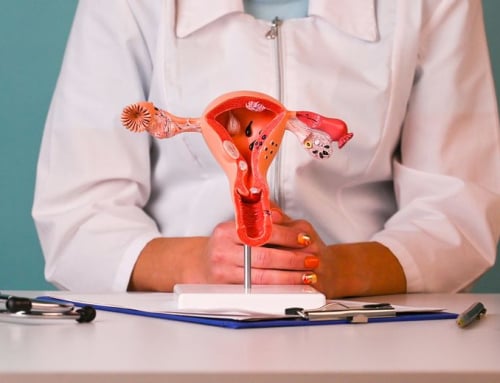
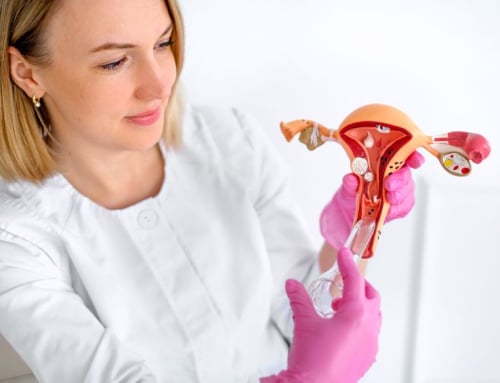
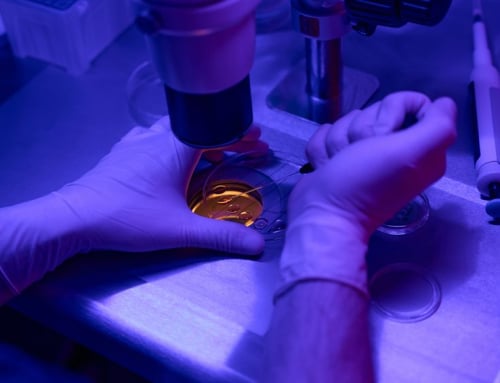
When fertility challenges arise, medical procedures and physician-led care often represent the first line of support. Conventional treatment can be effective for many patients, but in some cases, integrative medicine may offer additional benefit. This patient-centered model blends Western medical care with evidence-based complementary therapies to address the full clinical picture. Acupuncture frequently enters integrative medicine fertility conversations due to potential effects on circulation and nervous system regulation. Adequate uterine blood flow supports endometrial development and implantation. Viewing acupuncture through an integrative lens helps define potential benefits while maintaining realistic expectations.
Ancient practice, modern fertility care
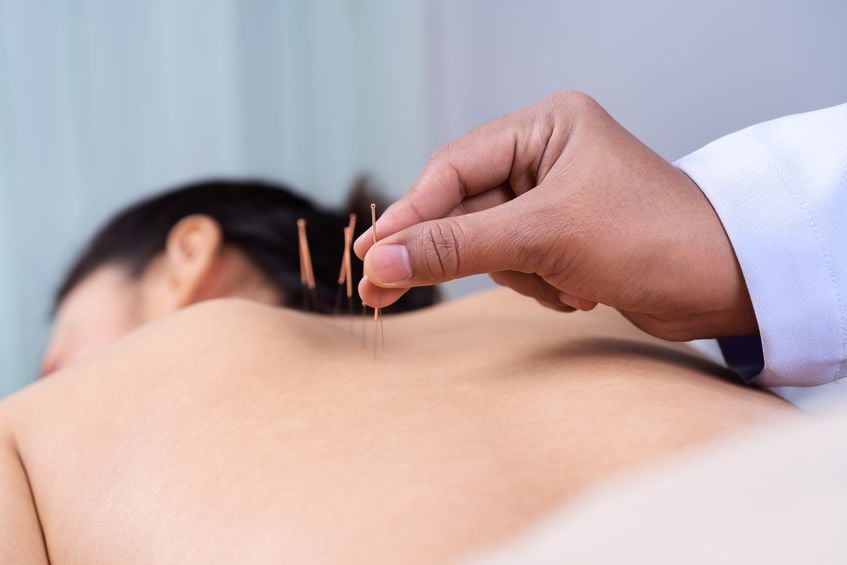
The origins of acupuncture trace back thousands of years in traditional East Asian medicine. Thin, sterile needles are inserted into specific body parts to balance energy flow, relieve pain, and treat a variety of health conditions, including infertility. The procedure is painless, and side effects are rare. Acupuncture visits typically last 30-60 minutes, but multiple visits may be required to treat chronic conditions. Women treated for infertility are often advised to start acupuncture at least 3 months before in vitro fertilization (IVF) or other fertility procedures.
Tiny needles, big effect
Individuals new to acupuncture may wonder how tiny needles can improve fertility outcomes.
Needle stimulation activates local nerves and connective tissue responses. Increased circulation to the uterus and ovaries strengthens the uterine lining, helping prepare the body for embryo implantation. Acupuncture has also been purported to help balance hormones, including follicle-stimulating hormone (FSH), luteinizing hormone (LH), and progesterone. Studies show that consistent treatment can improve egg development in women and sperm count and motility in men. Acupuncture can also help reduce stress and lower cortisol levels.
Integrative fertility care
When used to treat infertility, acupuncture commonly complements medical fertility treatments rather than replacing standard care completely. Integrative medicine plans may include nutrition counseling, stress management, sleep optimization, and lifestyle guidance. Collaboration between licensed acupuncturists and medical providers supports coordinated care and optimizes outcomes. When possible, acupuncture sessions should be timed around ovulation or embryo transfer for the greatest effect. This combined approach, utilizing both Western and Eastern medicine, addresses both the physiological and emotional aspects of fertility treatment.
Supporting conception naturally
Acupuncture offers a nonpharmacologic method for boosting uterine blood flow and possibly helping to improve fertility outcomes. Evidence suggests potential benefits when used alongside medical fertility treatment, such as IVF. Realistic expectations remain essential, as outcomes vary based on individual health factors and underlying infertility diagnosis.
Your acupuncture journey
Women who want to try acupuncture should select a qualified provider, start early, and remain consistent. Honest communication and an open mind are essential to success. Don’t leave conception up to chance. With integrative fertility care, whole body wellness is possible.