
Stay informed with fertility articles and topics.
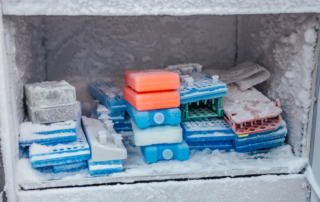
Cryopreservation | Options for the Gender Dysphoric Patient
These days, before they transition, many gender dysphoric patients decide to preserve their fertility. They can do so using cryopreservation.

Artificial Insemination Risks and Benefits
Couples struggling with infertility pursue a variety of options to help with conception. Understand the risks and benefits of artificial insemination.

Premature Ovarian Failure vs Early Menopause | Understand The Difference
Premature ovarian failure and Early menopause causes a woman’s ovaries fail. Both of these conditions result in infertility.

Who Is At Risk for PCOS And How Can It Effect Fertility?
PCOS is the most common reproductive hormone abnormality in women affecting 10% of reproductive-aged women causing menstrual abnormalities.

3 Treatment Options for Male Factor Infertility
Of infertile couples, over a third are dealing with male factor infertility. Male factor infertility can be caused by a number of reasons.

How Common Is Infertility In The US?
Infertility is a common problem in the US and can affect both men and women. Infertility can be very disheartening for people who want to start a family.

What Is a Biochemical Pregnancy and How It Differs From a Clinical Pregnancy
A biochemical pregnancy stops before it is able to be seen with an ultrasound while a clinical pregnancy is one which is confirmed by an ultrasound.

Male Factor Infertility Treatment | MESA and TESE
After diagnosis, male factor infertility is fairly easy to treat. For couples who are undergoing IVF treatment, sperm can be retrieved using MESA or TESE.

Testicular Sperm Extraction (TESE) | Sperm Collection
Testicular sperm extraction (TESE) is a form of sperm collection which is often used to time sperm harvesting with an in vitro fertilization (IVF) cycle.

Hope Abounds | Infertility | Your Options & IVF
For many couples, infertility can be emotional. However, there are many treatment options. Couples should not lose hope. In vitro fertilization can help.
Discover The Future
We are a multi-disciplinary healthcare technology company committed to driving innovation and results in the industry.