
Stay informed with fertility articles and topics.
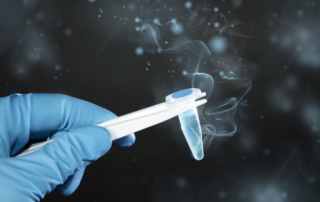
Can Frozen Embryo Transfer Be Performed On A Natural Cycle?
For the best chance of success, Women who have regular menstrual cycles may undergo frozen embryo transfer during a natural cycle.
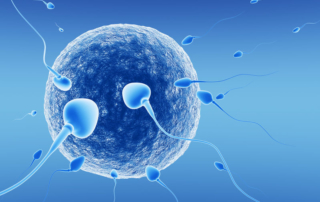
Sperm Extraction | TESA vs. TESE | Understand the Difference
Sometimes men produce semen that contains no sperm, leading to fertility problems. In these cases, sperm extraction through TESA and TESE can be an effective treatment. But what is the difference between TESA and TESE?

IVF and Vitamin D | 4 Surprising Facts
Vitamin D can also increase the chances of healthy pregnancy after IVF success. All women going through IVF should ask their physician about vitamin D testing.
Gen Alpha | Preimplantation Genetic Screening Explained
Many experts agree that the technology surrounding preimplantation genetic screening (PGS) has advanced greatly in recent years. What does PGS mean to infertility?

What You Need To Know About When You’re Ovulating
Women who are trying to conceive either naturally or with IVF need to know the ovulating cycle. There are ways to predict when ovulation will occur.

My Time Is Now | IVF Over 40
Natural conception may not come as easily, but this does not take pregnancy off the table. IVF has proven to be a very successful solution.

A Recipe for In Vitro Fertilization | Making A Baby With ICSI
ICSI can increase chances of egg fertilization and is beneficial for male factor infertility. Many clinics perform ICSI as part of all IVF procedures.

A Little Bump in the Road | Coping with the Emotional Stress of IVF
While the physical challenges of IVF can be stressful, the emotional side effects are just as serious. Couples beginning IVF treatment should work together to create a plan for reducing stress and coping with the emotional side of IVF.

Riding The Avalanche | Dealing With Another Negative Pregnancy Test
Taking a positive approach to dealing with disappointment to a negative pregnancy test will make a difference to how both partners feel and may also make for a positive test result next time.

Fresh Conception | How IVF Will Change Your Life
More than just producing a child, IVF can save a life. Unknown diseases such as cancer have been discovered during the IVF process.
Discover The Future
We are a multi-disciplinary healthcare technology company committed to driving innovation and results in the industry.